Idle Flames: Why 10 New Gas Plants in Serang Remain Silent — Public Outcry and Official Replies
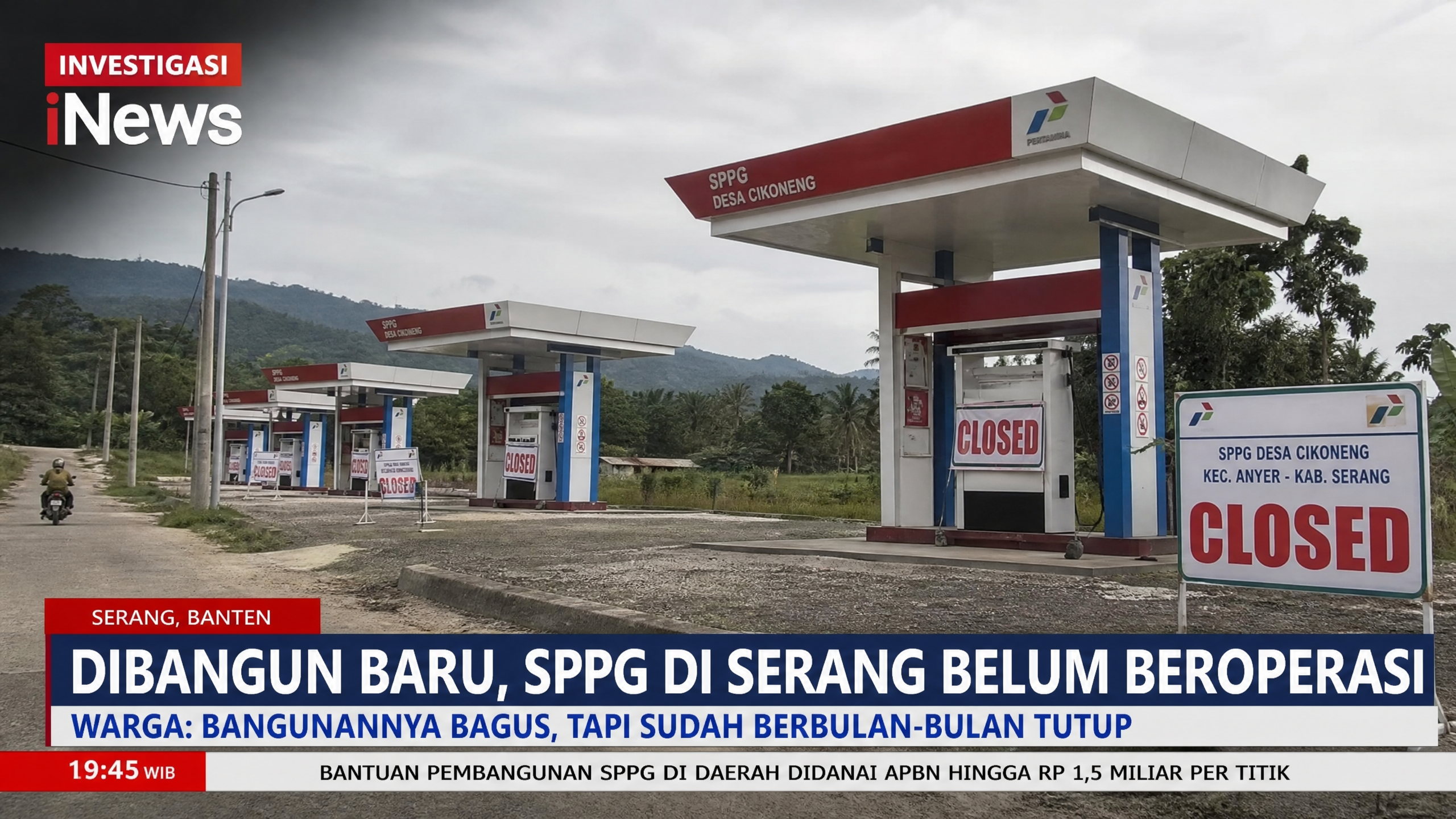
Serang, Banten — Ten newly constructed SPPG gas plants in Serang Regency have become the focus of growing public frustration and online debate after remaining idle weeks — and in some cases months — after construction finished. Residents, small business owners and local council members are demanding answers as to why infrastructure intended to ease energy constraints and lower fuel costs is not yet serving the communities it was built to help.
The SPPG units — small to medium-scale gas plants designed to supply residential areas, small industries and commercial users — were installed across several sub-districts in the regency as part of a local infrastructure push. Officials say the projects were intended to strengthen local energy security, support home industries and create new jobs. For many community members, the sight of fenced, inactive plants has become emblematic of a missed opportunity.
“I thought these plants would help my warung (small eatery) cut costs on cooking gas,” said a vendor from a sub-district near Serang city who asked not to be named. “Now we see the buildings but nothing works. People are worried taxpayer money has gone to waste.” Posts on local social media groups have repeatedly shared photos of the idle sites and questioned the timelines and accountability of the projects, making the issue trend regionally over the past week.
Public concern centers on several points: the apparent lack of transparency about why the plants are stalled, potential waste of public funds, lost employment prospects for trained technicians, and the economic impact on small enterprises that had planned to rely on the new supply. Local council members have publicly urged the regency administration to clarify the situation and, if necessary, open the projects to audit.
In response, regency officials acknowledged the community’s frustration but said the delays are largely due to administrative and technical hurdles rather than abandonment or corruption. A spokesperson for the local Public Works and Energy Office explained that each SPPG must pass a series of safety inspections, secure operating permits, and be integrated into the regional gas distribution network before fuel flows can begin. Those steps, the office said, involve coordination with national gas distributors, environmental compliance checks, and certification of safety systems and operational staff.
“Completing construction is only one phase. For the safety of residents and longevity of the facilities, we must complete technical tests and obtain all permits,” the spokesperson said, according to statements released to local media. The office added that some delays were compounded by supply-chain issues for critical ancillary equipment and by the need to recruit and train certified operators for each site.
Officials also stressed ongoing coordination with a state-owned gas utility to finalize distribution agreements and pipeline connections. They assured the public that the plants are not abandoned and that activating the facilities is a priority; however, they stopped short of providing a fixed date for when the plants will begin operation. The regency administration has promised periodic updates and said it would consider inviting independent auditors to review procedures if required by the council.
Despite official explanations, critics argue that better project management and earlier stakeholder communication could have prevented community mistrust. “Delays can happen, but residents deserve clear timelines and visible steps being taken,” said a local civil society activist. Calls for a transparent timeline and for involvement of local labor in the final operational phase have grown louder.
For small business owners and households who were counting on more reliable and affordable gas, the wait continues. Community leaders are preparing to hold a public forum next week to press the administration for more detailed answers and to seek commitments on employment opportunities tied to the plants.
As Serang waits for the first flames to burn, the unfolding conversation highlights a broader lesson for public infrastructure projects: construction is only the beginning. Operational readiness, clear communication and accountable governance are what convert a new facility into a real benefit for local people. The regency’s next steps — and how quickly officials translate assurances into action — will determine whether the SPPG plants become a celebrated asset or a lingering symbol of stalled promise.