Kategori: History

  • Anyer Lighthouse: A Beacon of History and Resilience on the Sunda Strait

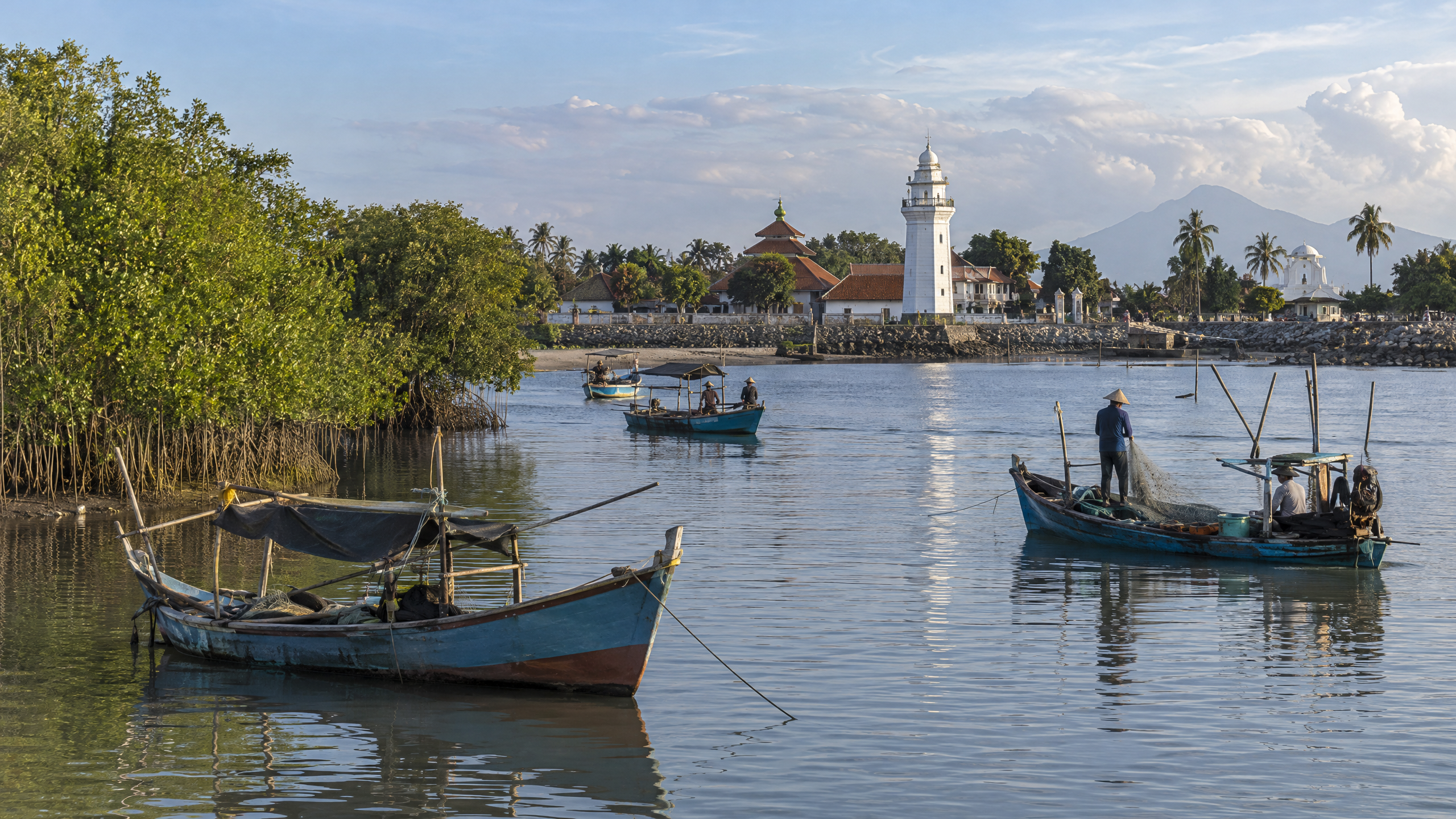
    Standing tall on the coast of Anyer, Banten, the **Cikoneng Lighthouse**, more commonly known as the Anyer Lighthouse, is a historical landmark that embodies both maritime significance and a poignant connection to one of the most catastrophic natural disasters in recorded history – the 1883 eruption of Krakatoa. This iconic structure, built in 1885, serves as a testament to resilience and a vital aid to navigation on the busy Sunda Strait.

    A Memorial to Krakatoa

    The original lighthouse at this location was tragically destroyed by the devastating tsunami that followed the cataclysmic eruption of Krakatoa on August 26-27, 1883. The colossal eruption caused the northern two-thirds of the volcanic island to collapse beneath the sea, generating massive tsunamis that ravaged coastal areas, including Anyer.

    Two years after the disaster, the Dutch government commissioned the construction of the current Cikoneng Lighthouse. It was erected not only to restore essential maritime navigation but also to serve as a memorial to the victims and the immense power of nature witnessed during the Krakatoa event. This makes the Anyer Lighthouse a unique historical monument, deeply intertwined with the region’s dramatic past.

    Architectural and Operational Significance

    Completed in 1885, the Cikoneng Lighthouse is a robust structure, standing 58 meters (190 feet) high, with its focal plane elevation at 60 meters above sea level. Its powerful light can reach a distance of 20 nautical miles, effectively guiding ships navigating the western end of the Sunda Strait. The lighthouse’s design reflects typical 19th-century colonial engineering, built to withstand the elements and provide reliable service.

    For over a century, the lighthouse has continuously operated, playing a crucial role in ensuring the safety of maritime traffic through one of the world’s busiest shipping lanes. It stands as a silent guardian, witnessing countless vessels pass between the Indian Ocean and the South China Sea.

    A Symbol of Banten’s Heritage

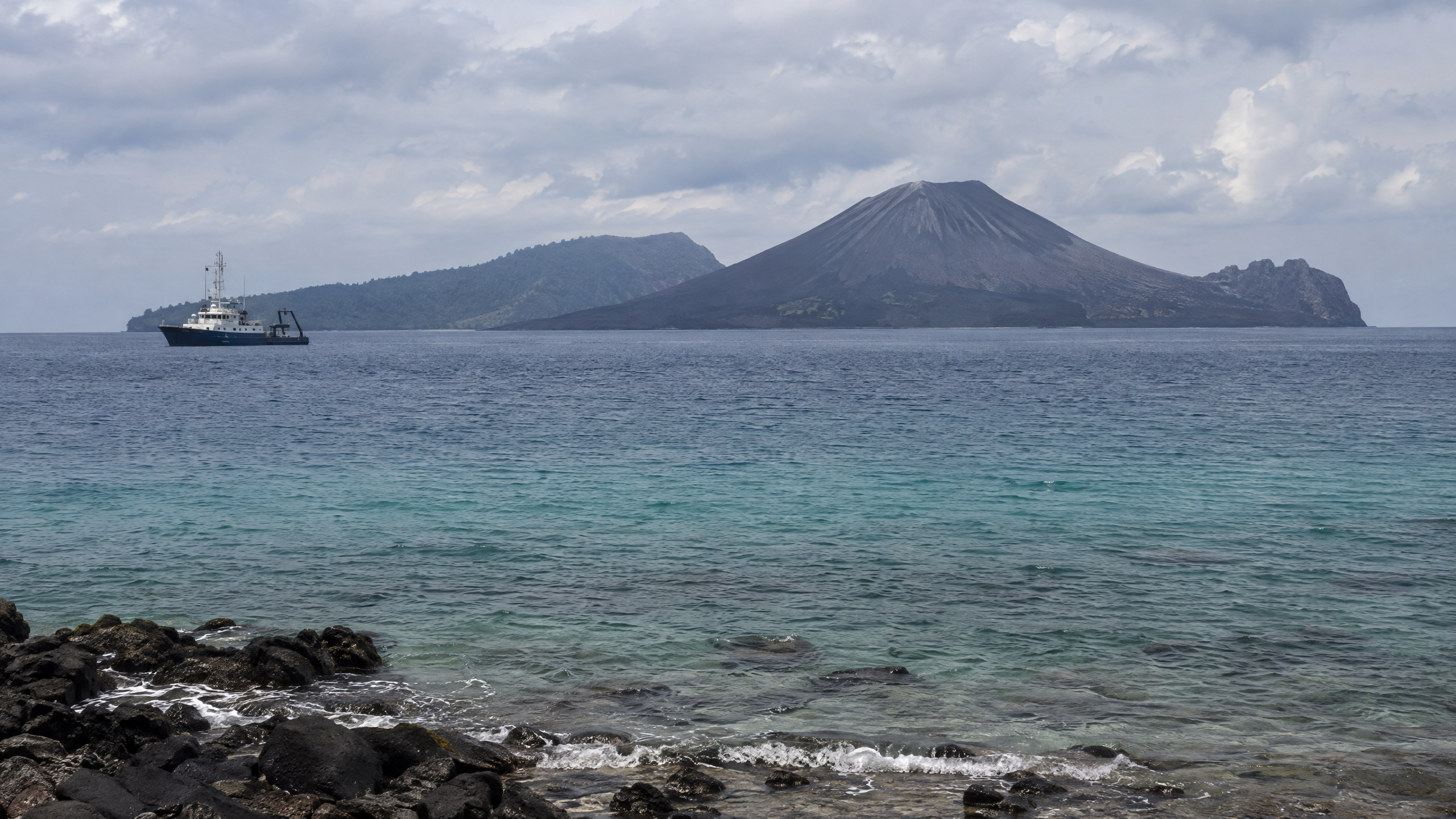
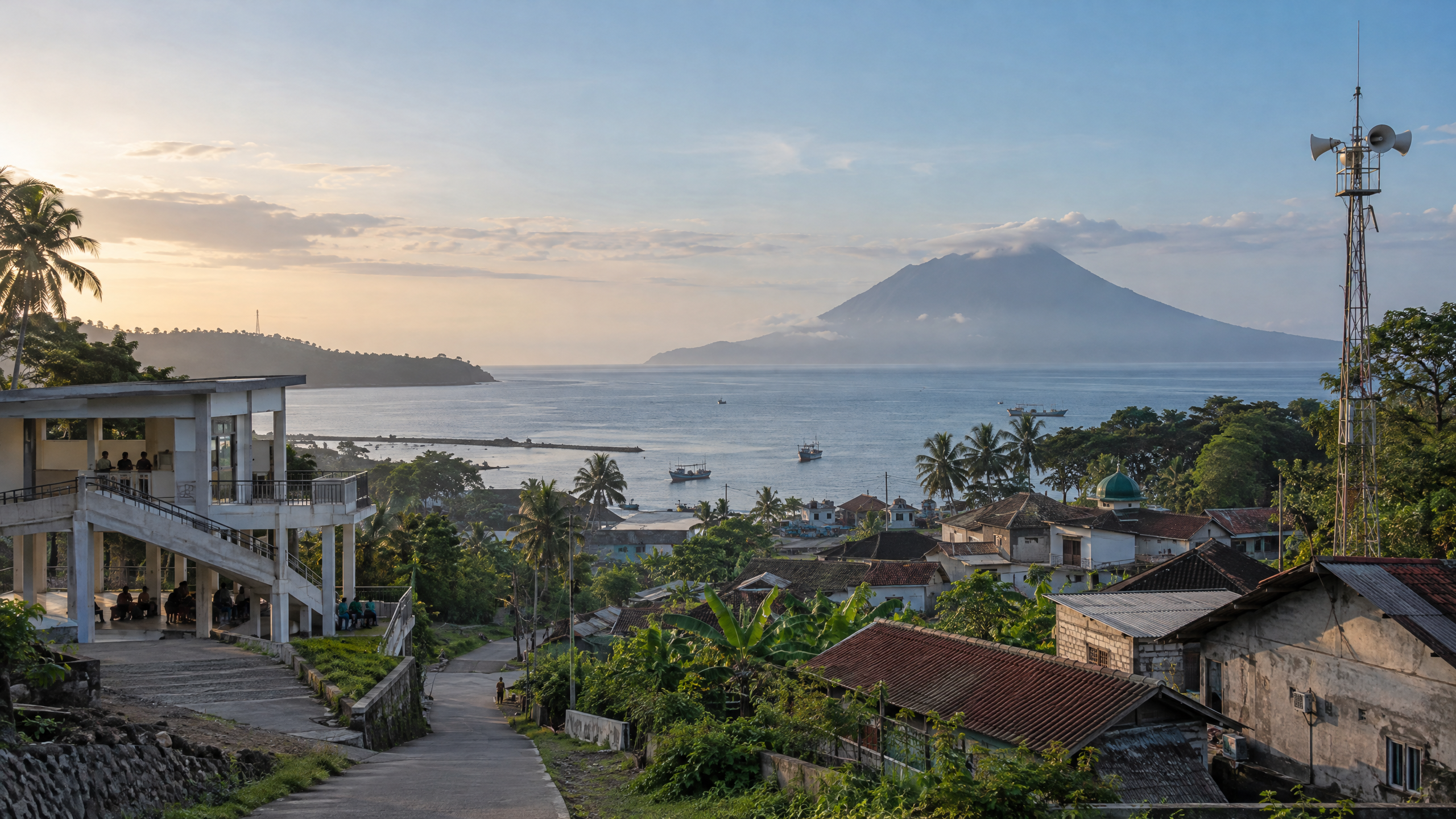
    Today, the Anyer Lighthouse is not just a functional aid to navigation but also a popular tourist attraction. Visitors are drawn to its historical significance, its impressive structure, and the panoramic views it offers of the surrounding coastline and, on clear days, the distant Anak Krakatoa volcano. It represents a tangible link to Banten’s colonial past and its enduring connection to the sea.

    The lighthouse is a proud symbol of Banten’s rich heritage, reminding both locals and visitors of the province’s strategic importance throughout history and its resilience in the face of natural calamities. Its story is a powerful narrative of human endeavor, natural forces, and the continuous effort to conquer the challenges of the sea.

  • Old Banten: Unearthing the Legacy of a Maritime Sultanate and Trading Hub

    **Old Banten (Banten Lama)**, located in present-day Serang, stands as a poignant archaeological site, whispering tales of a glorious past when it was the vibrant capital of the **Banten Sultanate** and a pivotal trading hub in Southeast Asia. Its ruins offer invaluable insights into Indonesia’s rich maritime history, Islamic heritage, and the complex interplay of cultures that once thrived within its walls.

    The Rise of a Sultanate Capital

    The history of Old Banten began in the 16th century, following the conquest of several port areas on the west coast of Java. It was during this period that Sultan Maulana Hasanuddin, the first Sultan of Banten, established a new capital city on the coast, transforming it into the heart of the Banten Sultanate. This strategic move positioned Banten as a formidable power, controlling vital trade routes and fostering the spread of Islam in the archipelago.

    The city quickly grew into a bustling walled port, characterized by its diverse population of traders from China, India, Arabia, Europe, and various parts of the Malay Archipelago. This cosmopolitan environment contributed to a unique cultural synthesis, evident in the architectural styles and social structures of the time.

    A Flourishing Trading Hub

    Old Banten’s prosperity was largely built upon its role as a major center for the spice trade, particularly pepper, with Europe from the 16th century onwards. Its strategic location on a busy trading route made it an indispensable stop for merchants traversing the seas. The city’s port facilitated the exchange of goods, ideas, and cultures, making it a melting pot of civilizations.

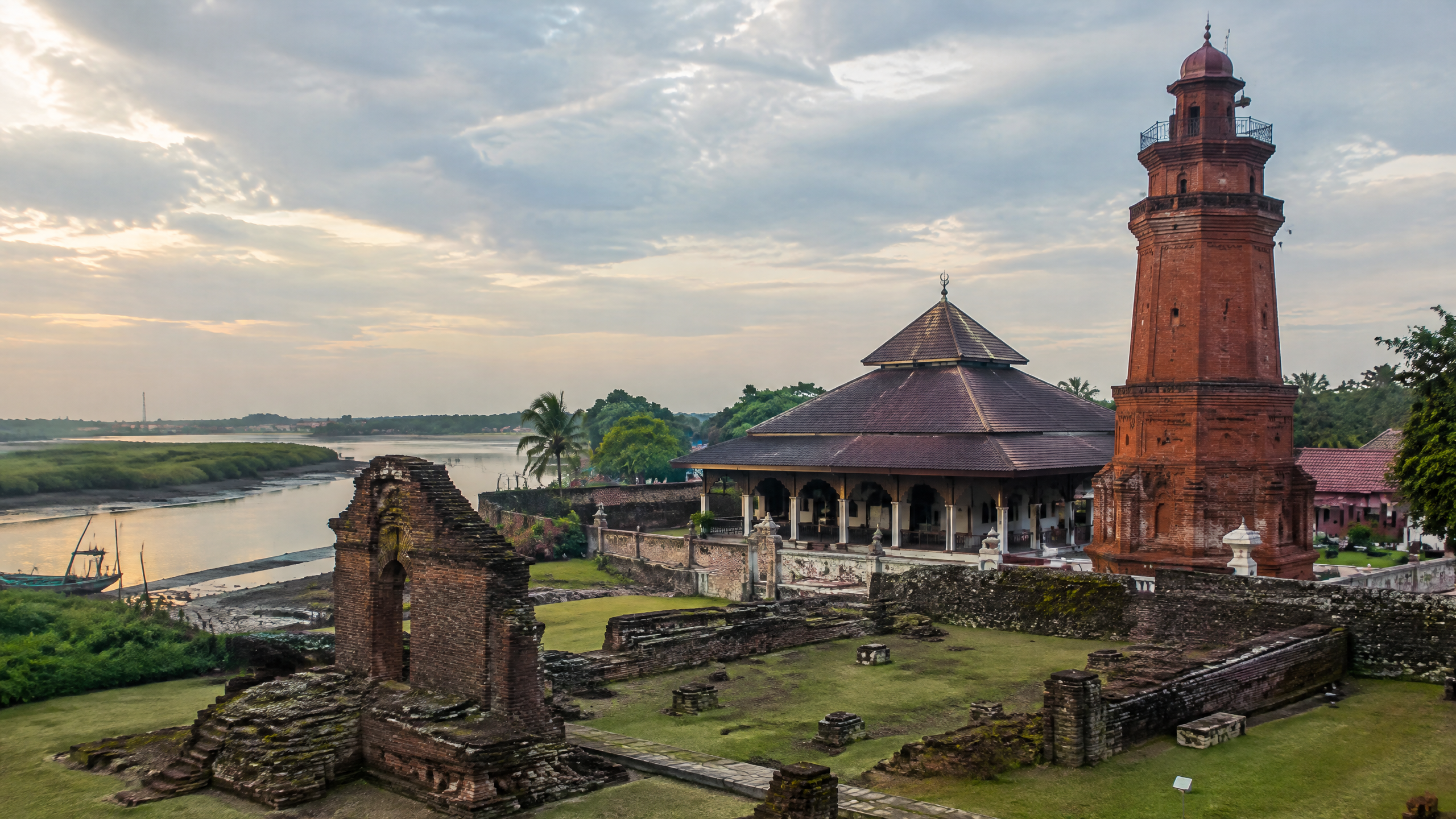
    The archaeological site still bears witness to this rich trading past, with remnants of fortifications, mosques, and palaces that once defined its urban landscape. The Surosowan Palace, for instance, served as the primary royal residence, while the Great Mosque of Banten stood as a central religious institution, both reflecting the sultanate’s power and influence.

    Decline and Enduring Legacy

    The golden age of Old Banten, however, began to wane in the late 17th and 18th centuries due to internal conflicts and increasing colonial interference. The Banten Sultanate eventually faced annexation in the early 19th century, marking the end of its four-century-old reign. Despite its decline, the legacy of Old Banten continues to resonate.

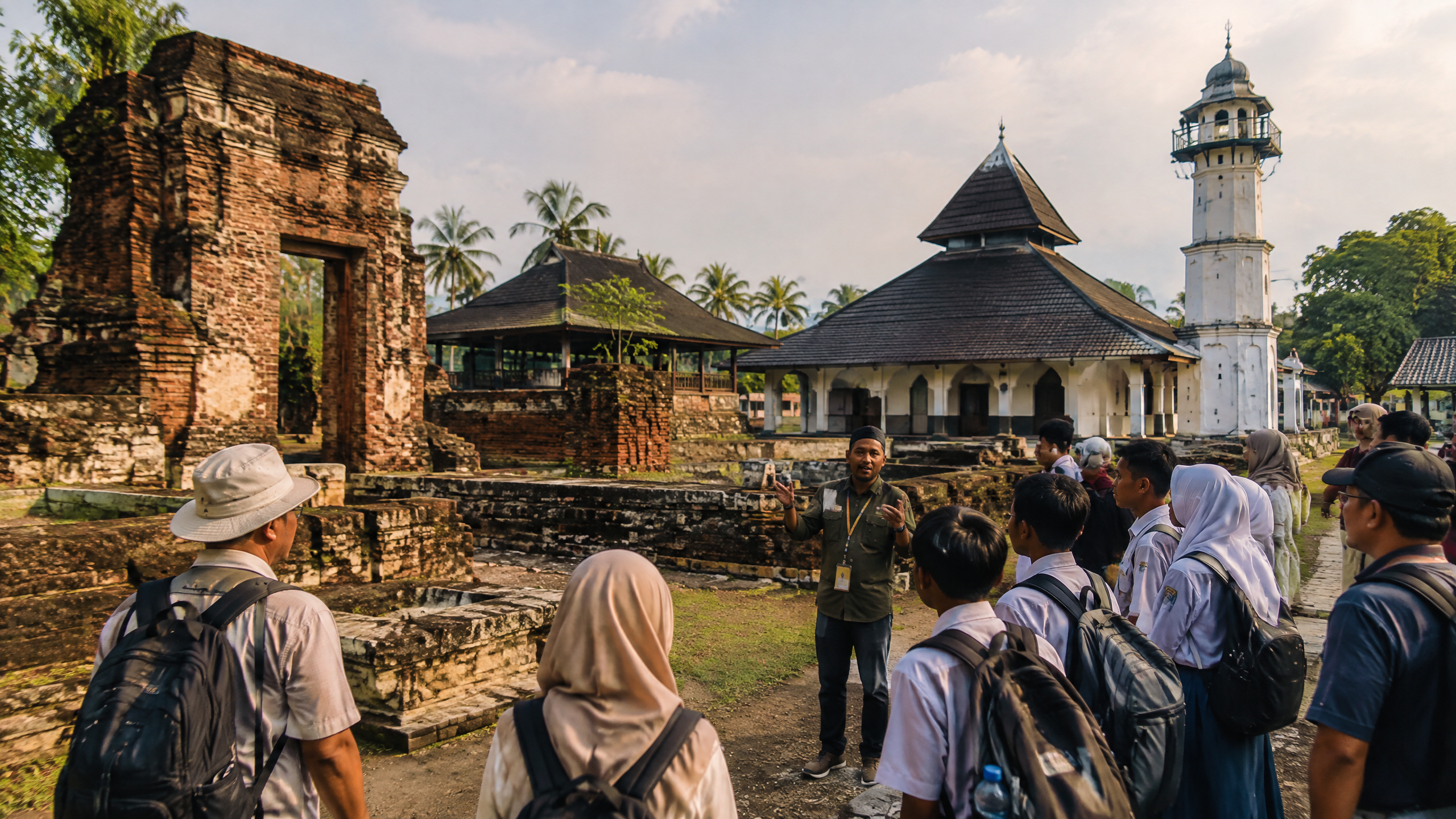
    Today, the archaeological site is a significant destination for tourists and pilgrims, offering a tangible connection to Indonesia’s past. Ongoing archaeological research continues to uncover new insights into its history, helping to reconstruct the daily lives of its inhabitants and the grandeur of its former glory. The site serves as a powerful educational tool, reminding us of the importance of preserving historical heritage and understanding the forces that shape civilizations.

    Conclusion

    Old Banten is more than just a collection of ruins; it is a living testament to a powerful maritime sultanate and a vibrant trading hub that played a crucial role in shaping the history of Indonesia and Southeast Asia. Its archaeological remains invite us to explore a past filled with trade, cultural exchange, and political intrigue, offering a profound understanding of the foundations upon which modern Indonesia was built.

  • The Multatuli Museum: Remembering the Struggle Against Colonialism in Banten

    In the town of Rangkasbitung, Banten, stands a unique institution that serves as a powerful reminder of Indonesia’s colonial past and the enduring struggle for justice: **The Multatuli Museum**. Inaugurated on February 11, 2018, this museum is dedicated to the legacy of Eduard Douwes Dekker, better known by his pen name **Multatuli**, whose influential work exposed the harsh realities of Dutch colonial rule.

    Eduard Douwes Dekker: A Voice for the Oppressed

    Eduard Douwes Dekker (1820-1887) was a Dutch writer and former colonial administrator who served in various capacities in the Dutch East Indies, including as Assistant Resident of Lebak (Rangkasbitung) in 1856. Witnessing firsthand the exploitation and suffering of the local population under the forced cultivation system, Dekker resigned from his post and, under the pseudonym Multatuli (Latin for “I have suffered much”), wrote his seminal novel *Max Havelaar, or the Coffee Auctions of the Dutch Trading Company* (1860). This satirical yet deeply impactful novel brought international attention to the injustices of colonialism and became a catalyst for reform.

    A Museum of Anti-Colonialism

    The Multatuli Museum in Rangkasbitung is particularly significant as it is considered the first anti-colonial museum in Indonesia. Its establishment was a collaborative effort, initiated in the 2010s with the support of historian Bonnie Triyana and local educators. The museum is housed in a historical building that originally served as the Wedana (district head) office since 1923, adding another layer of historical authenticity to its narrative.

    The museum’s exhibits are thoughtfully curated to guide visitors through Multatuli’s life, his experiences in Banten, and the broader political and economic climate of 19th-century colonial Indonesia. It delves into the impact of his writings and the subsequent movements for independence. The museum aims to provide a comprehensive and multi-voiced perspective on colonialism, not just from the colonizer’s viewpoint but also from the perspective of the colonized.

    Collections and Educational Role

    The Multatuli Museum showcases a variety of collections, including historical documents, photographs, and artifacts that illustrate the colonial period and the struggle for freedom. It serves as an important educational resource, fostering critical thinking about history, human rights, and social justice. By preserving and presenting this often-overlooked aspect of Indonesian history, the museum contributes to a deeper understanding of the nation’s identity and its journey towards independence.

    Conclusion

    The Multatuli Museum in Rangkasbitung is more than just a repository of historical objects; it is a beacon of remembrance and a center for reflection. It honors the courage of individuals like Multatuli who dared to speak truth to power and sheds light on the profound impact of colonialism. For anyone seeking to understand the complexities of Indonesia’s past and the enduring spirit of its people, a visit to the Multatuli Museum is an essential and enlightening experience.

  • Speelwijk Fort: Remnants of Dutch Colonial Power in Old Banten

    In the historical landscape of Old Banten, amidst the echoes of a powerful sultanate, stands **Speelwijk Fort**, a stark reminder of the Dutch colonial presence and their strategic efforts to control the region. This 17th-century fortress, though now largely in ruins, offers a compelling glimpse into the complex power dynamics between the Dutch East India Company (VOC) and the Banten Sultanate.

    Construction and Strategic Importance

    Speelwijk Fort was constructed by the VOC between 1682 and 1686. Its primary purpose was multifaceted: to protect Dutch interests in Banten, control the activities of the Banten kingdom, and serve as a defensive stronghold against potential attacks, particularly from the followers of Sultan Ageng Tirtayasa. The fort was named after Cornelis Speelman, a prominent VOC figure of that era.

    The fort’s strategic location on the north coast of Banten province allowed the Dutch to monitor maritime traffic in the Sunda Strait, a crucial trade route. Its construction marked a significant shift in power, symbolizing the growing dominance of the VOC over the once-mighty Banten Sultanate.

    Architectural Features and Design

    Built like most 17th-century Dutch forts, Speelwijk featured thick walls, approximately 5 meters high, constructed from a mixture of stone, sand, and limestone. The fort was expanded in 1685 and again in 1731, indicating its ongoing importance to the Dutch. While the fort’s condition today is not complete, archaeological excavations have revealed colonial-era building structures and even bullets, providing valuable insights into its past.

    The design of the fort was purely functional, prioritizing defense and control. Its robust structure was intended to withstand sieges and provide a secure base for VOC operations in the region. The fort’s layout and construction techniques reflect typical European military architecture of the period, adapted to the local environment.

    A Symbol of Colonial Dominance

    Speelwijk Fort became the first protected monument or cultural heritage property in the Netherlands East Indies, underscoring its historical significance from a colonial perspective. However, for the Bantenese people, it represented a symbol of foreign intrusion and the gradual erosion of their sovereignty. The fort’s presence was a constant reminder of the Dutch efforts to exert control over Banten’s lucrative spice trade and political affairs.

    Legacy and Preservation

    Today, Speelwijk Fort is a historical site that attracts visitors interested in Indonesia’s colonial past. While much of its original structure is in ruins, efforts are being made by local governments to restore and preserve this important cultural heritage. The fort serves as an educational resource, allowing visitors to reflect on the complex history of Banten and the broader narrative of colonialism in Indonesia.

    The fort’s weathered walls and crumbling bastions tell a story of conflict, control, and resilience. It stands as a silent witness to a pivotal period in Banten’s history, offering a tangible link to the struggles and transformations that shaped the region into what it is today.

  • Surosowan Palace: Tracing the Glory of the Banten Sultanate

    In the heart of Old Banten, amidst the remnants of a once-thriving port city, lie the evocative ruins of **Surosowan Palace**. This historical site, though largely reduced to foundations and walls, stands as a powerful reminder of the grandeur and influence of the Banten Sultanate, serving as its primary royal residence and administrative center for centuries.

    The Birth of a Royal Seat

    The construction of Surosowan Palace is estimated to have begun between 1522 and 1570, primarily during the reign of **Sultan Maulana Hasanuddin (1552-1570)**, the first Sultan of Banten. Its establishment followed the conquest of Banten Girang and the strategic relocation of the government center to the Banten Lama area. The palace was not merely a residence but a fortified complex, covering approximately four hectares and enclosed by solid walls, reflecting the power and prestige of the burgeoning sultanate.

    A Center of Power and Culture

    For over two centuries, Surosowan Palace was the epicenter of the Banten Sultanate’s political, cultural, and economic life. It housed the royal family, served as the seat of government, and was a hub for diplomatic activities. The palace’s design and layout would have reflected the sophisticated architectural styles of the era, blending local traditions with influences from various trading partners that frequented Banten’s bustling port.

    Historical accounts suggest that the palace complex included numerous rooms, courtyards, and possibly water features, indicative of a prosperous and well-organized kingdom. The presence of the Great Mosque of Banten nearby further underscores the integrated nature of religious and political authority within the sultanate.

    The Palace’s Demise

    The glory of Surosowan Palace, however, was not to last indefinitely. The palace faced periods of conflict and destruction, notably being burned down by **Sultan Ageng Tirtayasa (1651-1682)** during internal power struggles. Its final demise came in November 1808, when it was deliberately destroyed by the Dutch government under the leadership of Governor-General Herman Willem Daendels. This act marked a significant blow to the Banten Sultanate’s sovereignty and its physical symbols of power.

    Legacy in Ruins

    Today, visitors to Surosowan Palace can explore the extensive ruins, which offer a tangible connection to Banten’s rich past. While no intact buildings remain, the foundations and remnants of walls provide a glimpse into the palace’s original scale and layout. Archaeological efforts continue to uncover more about this significant historical site, helping to reconstruct its former splendor and the lives of those who once inhabited it.

    Surosowan Palace, even in its ruined state, remains a vital cultural heritage site. It serves as an educational resource, allowing present and future generations to understand the history of the Banten Sultanate, its architectural achievements, and its eventual decline. The site is a poignant reminder of the ebb and flow of power and the enduring legacy of a once-mighty kingdom.

  • The Great Mosque of Banten: A Timeless Icon of Islamic Heritage and Architectural Fusion

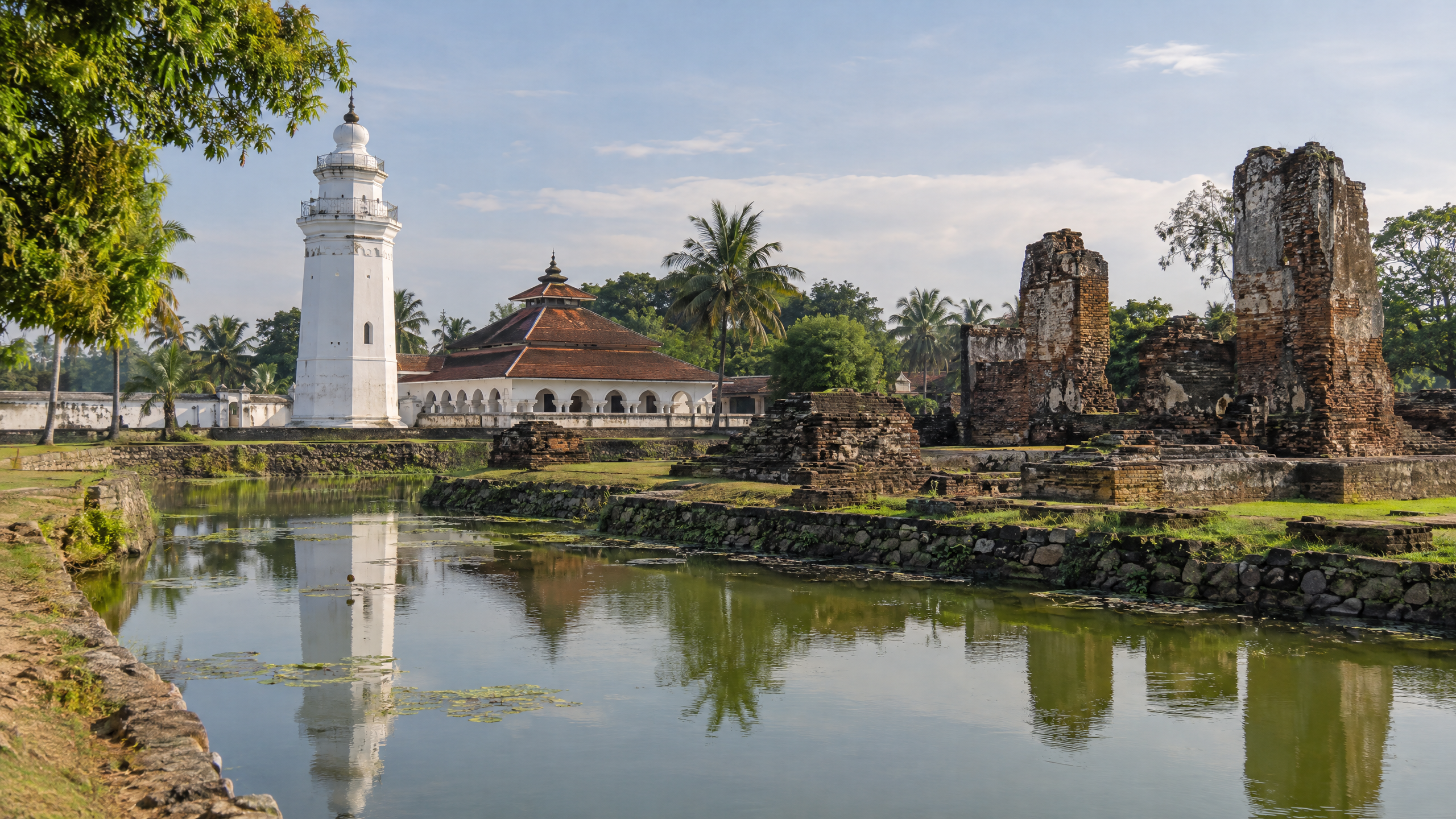
    Standing proudly in Old Banten, Serang, the **Great Mosque of Banten (Masjid Agung Banten)** is more than just a place of worship; it is a profound symbol of Islamic heritage and a remarkable testament to architectural fusion. This 16th-century mosque, a rare surviving remnant of the once-prosperous port city of Banten, reflects the rich tapestry of international influences that shaped the region during its golden age.

    A Legacy of the Banten Sultanate

    The Great Mosque of Banten was established in 1552 under the patronage of **Sultan Maulana Hasanuddin**, the first Sultan of the Banten Sultanate. Its construction marked a pivotal moment in the spread of Islam in the region and solidified Banten’s role as a prominent Islamic center. The mosque’s initial Javanese architectural style was later complemented by additions during the reign of Sultan Maulana Yusuf, the third Sultan, who oversaw the construction of a Javanese-styled *pawestren* (women’s prayer hall) in 1566 CE.

    A Symphony of Architectural Styles

    What truly sets the Great Mosque of Banten apart is its eclectic design, a harmonious blend of Javanese, Chinese, and European architectural elements. This unique fusion is a direct reflection of Banten’s historical position as a bustling international trading hub, where diverse cultures converged and exchanged ideas.

    One of the most striking features is the **24-meter-tall minaret**, added in 1632. Designed by the Chinese architect Cek-ban-cut, this minaret showcases distinct Chinese architectural influences. Around the same period, a Dutch-styled *tiyamah* (a building within the mosque complex) was incorporated, designed by Hendrik Lucaasz Cardeel, a Dutchman who converted to Islam. Cardeel’s design introduced early European Baroque architectural features, particularly evident in the minaret, *tiyamah* building, and mosque walls.

    The mosque’s main prayer hall, with its multi-tiered roof, exemplifies traditional Javanese mosque architecture, characterized by its elegant simplicity and deep philosophical meaning. The blend of Hindu and Javanese architectural elements, combined with Dutch brick construction, creates a visually captivating structure that stands in stark contrast to other traditional mosques in Indonesia.

    A Center for Sociocultural Activities

    Beyond its architectural grandeur, the Great Mosque of Banten has historically served as a vibrant center for sociocultural activities. It continues to be an important destination for pilgrims and tourists alike, drawing visitors from across Indonesia and beyond. The mosque complex also houses several tombs, including those of Sultan Maulana Hasanuddin and his family, making it a significant site for religious pilgrimage.

    Conclusion

    The Great Mosque of Banten is a living monument that encapsulates centuries of history, faith, and cultural exchange. Its unique architectural synthesis tells a compelling story of Banten’s cosmopolitan past and its enduring legacy as a cradle of Islamic civilization in Indonesia. As visitors walk through its ancient halls and admire its intricate details, they are transported back in time, connecting with the rich heritage that continues to define this remarkable region.