# FIFA 2026 Final Venue Announces 60,000-Seat Retractable Roof Upgrade Ahead of Summer — Costs and Timeline Scrutinized
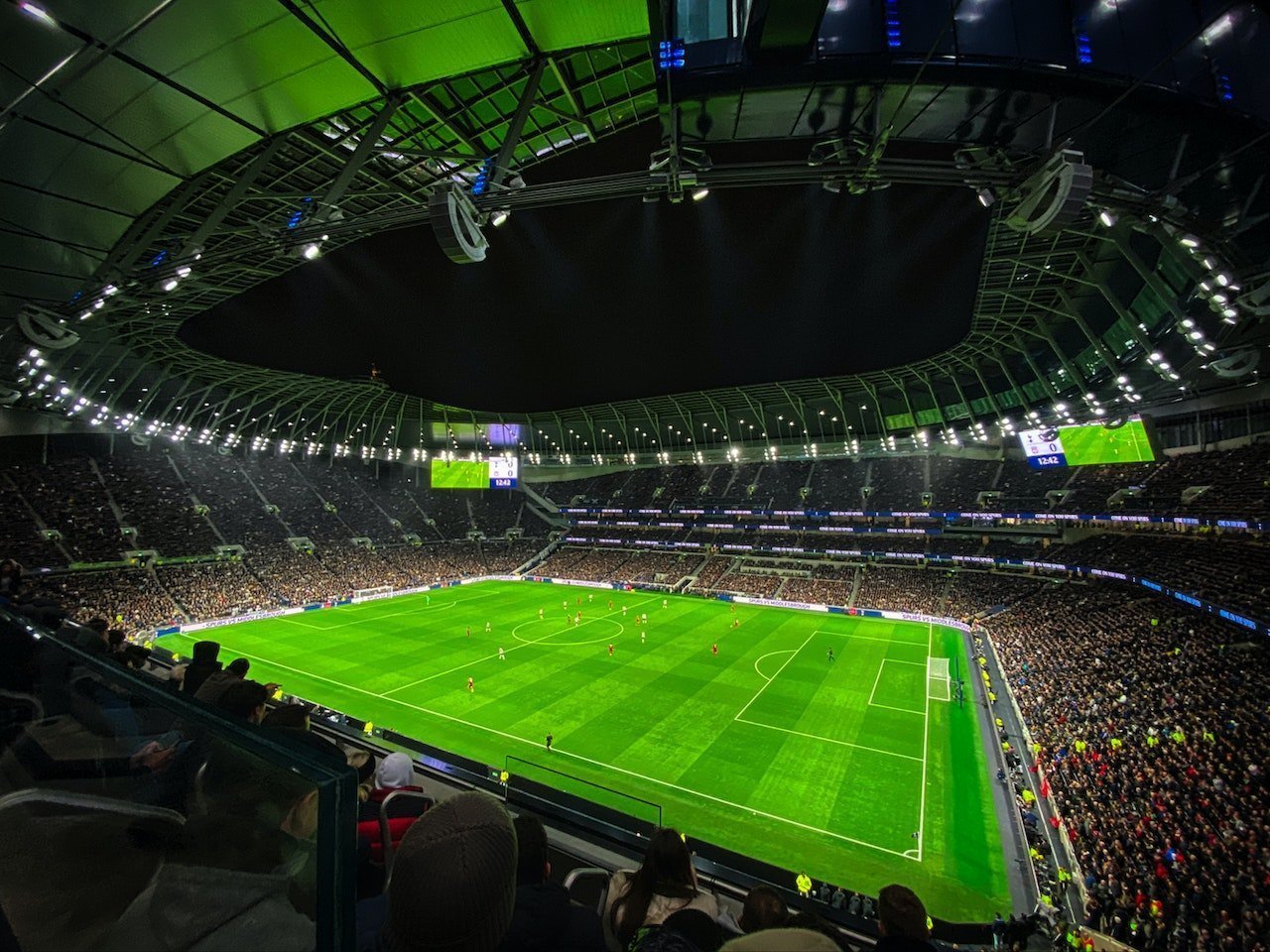
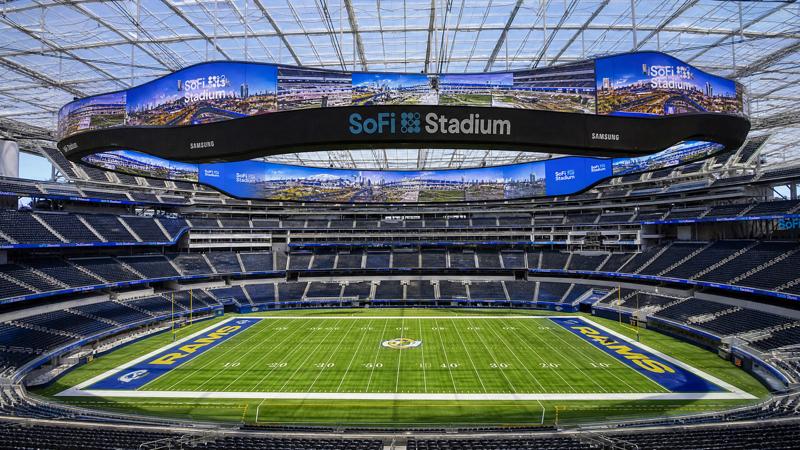
In a high-stakes push ahead of next summer’s World Cup finale, the host city announced an ambitious retrofit to add a retractable roof to the 60,000-seat stadium slated to host the FIFA 2026 final. City officials say the upgrade is intended to protect players and fans from extreme weather, expand year-round use, and deliver a world-class spectacle — but critics have seized on the price tag and compressed timeline.
“This is a once-in-a-generation upgrade that will ensure the stadium meets FIFA’s expectations and our community’s needs for decades to come,” said the Stadium Authority CEO in a press conference Thursday. Officials described the roof as a motorized, modular system engineered to close in under 20 minutes and engineered to withstand regional wind and snow loads.
What the plan includes
– Installation of a retractable roof system across the 60,000-seat bowl
– Reinforcement of existing structural supports and drainage systems
– Upgraded HVAC and acoustics to work with the new roof
– Testing and certification to meet FIFA operational standards
Cost estimates and scrutiny
City documents and independent estimates diverge on costs. The Stadium Authority released a preliminary budget of $210 million, citing a contract with an international stadium-consortium and local construction partners. Independent analysts and local watchdog groups, however, have warned that the real cost could climb to between $270 million and $350 million when contingency, accelerated labor, and supply-chain premiums are included.
“Rapid timelines and complex retrofits are notorious for cost escalation,” said an infrastructure analyst who reviewed project filings. “When you fast-track procurement and add night shifts, the price almost always goes up. The public deserves clarity on contingency funding and who bears overruns.”
Timeline and logistical challenge
Officials insist the roof will be completed, tested and certified months before the scheduled final. The reported timeline aims for mechanical installation to finish by late spring, with commissioning and full-system tests completed in June. That leaves little room for weather disruptions or unexpected engineering issues.
To meet the deadline, the project will deploy extended work shifts, prefabricated roof panels, and parallel construction streams. The Stadium Authority said permits have been expedited and that a phased schedule was created to allow regular events to continue through the retrofit.
Contingency and risk mitigation
City officials emphasized contingency plans: a secondary venue has been identified should certification be delayed, and a portion of the budget is held as a risk reserve. Still, opposition politicians called for an independent audit and a transparent reporting cadence.
“It is essential taxpayers know whether we’re investing in lasting infrastructure or funding a rushed spectacle,” said an opposition council member. “An independent, public-facing audit should be standard practice for a project of this magnitude.”
Benefits and legacy argument
Proponents argue the roof will broaden the stadium’s utility: concerts, conventions and winter sports become feasible, increasing year-round revenue. The roof also addresses climate unpredictability — a significant consideration given extreme-heat and storm events in recent summers.
Architects on the project point to improved acoustics and climate control as long-term economic multipliers. “A retractable roof transforms a seasonal venue into a multi-use asset that pays back over decades,” said the lead architect in a statement.
What comes next
The Stadium Authority has committed to weekly public progress reports and says it will publish a more detailed cost breakdown within 30 days. FIFA representatives reiterated venue standards must be met and have said they will monitor progress closely.
With the summer final less than a year away, the retrofit will test the city’s planning agility. Supporters highlight potential long-term returns and enhanced fan experience; skeptics demand accountability on spending and schedule risk. Either way, the project places the stadium and the city under global scrutiny as the clock to kickoff ticks down.
For now, residents, fans, and stakeholders will watch the cranes and countdowns: if the roof closes on time, it could be remembered as a legacy investment; if it stumbles, it could become a cautionary tale about fast-tracking high-profile infrastructure.