The Banten Post –
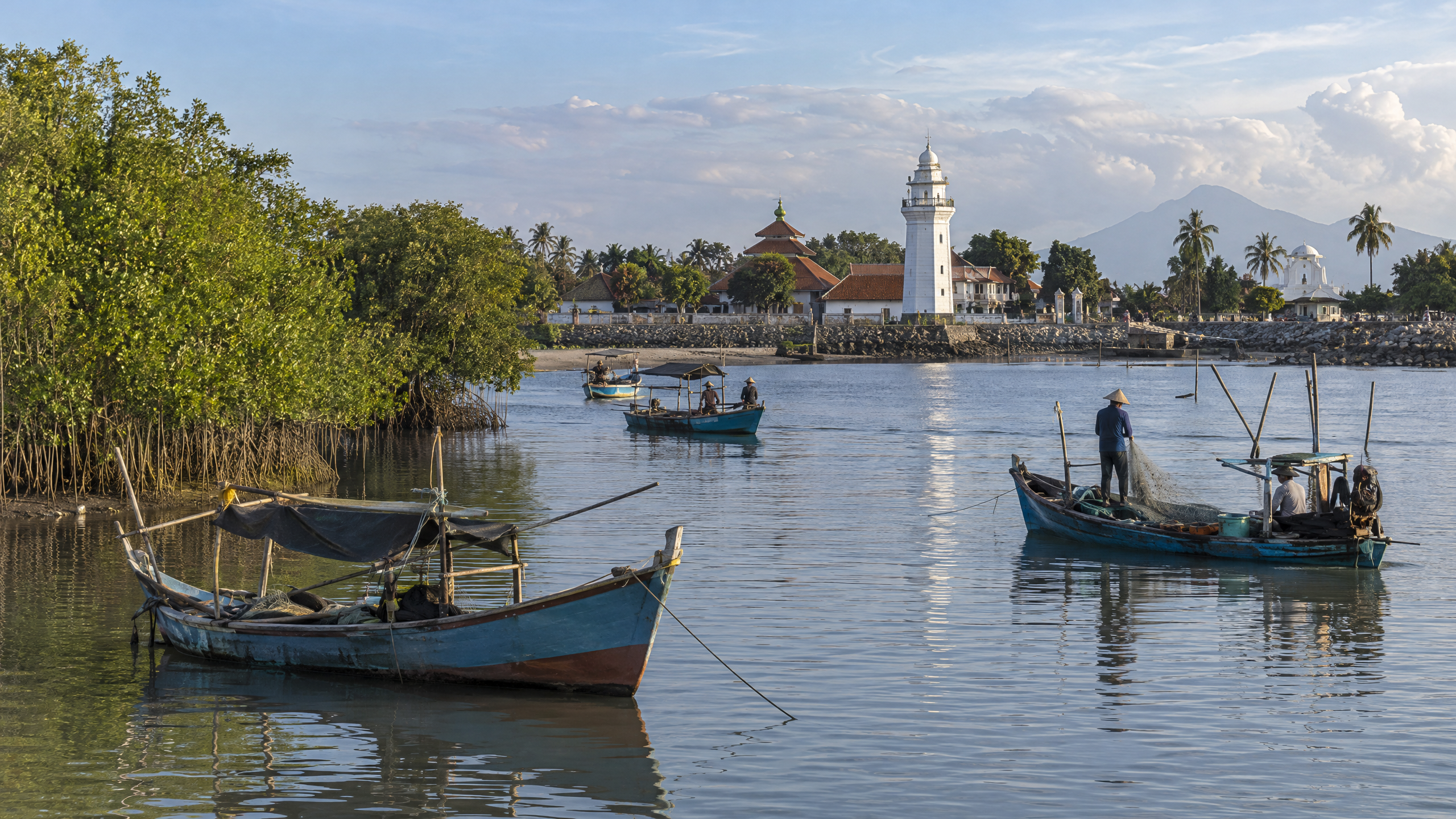
Standing proudly in Old Banten, Serang, the **Great Mosque of Banten (Masjid Agung Banten)** is more than just a place of worship; it is a profound symbol of Islamic heritage and a remarkable testament to architectural fusion. This 16th-century mosque, a rare surviving remnant of the once-prosperous port city of Banten, reflects the rich tapestry of international influences that shaped the region during its golden age.
A Legacy of the Banten Sultanate
The Great Mosque of Banten was established in 1552 under the patronage of **Sultan Maulana Hasanuddin**, the first Sultan of the Banten Sultanate. Its construction marked a pivotal moment in the spread of Islam in the region and solidified Banten’s role as a prominent Islamic center. The mosque’s initial Javanese architectural style was later complemented by additions during the reign of Sultan Maulana Yusuf, the third Sultan, who oversaw the construction of a Javanese-styled *pawestren* (women’s prayer hall) in 1566 CE.
A Symphony of Architectural Styles
What truly sets the Great Mosque of Banten apart is its eclectic design, a harmonious blend of Javanese, Chinese, and European architectural elements. This unique fusion is a direct reflection of Banten’s historical position as a bustling international trading hub, where diverse cultures converged and exchanged ideas.
One of the most striking features is the **24-meter-tall minaret**, added in 1632. Designed by the Chinese architect Cek-ban-cut, this minaret showcases distinct Chinese architectural influences. Around the same period, a Dutch-styled *tiyamah* (a building within the mosque complex) was incorporated, designed by Hendrik Lucaasz Cardeel, a Dutchman who converted to Islam. Cardeel’s design introduced early European Baroque architectural features, particularly evident in the minaret, *tiyamah* building, and mosque walls.
The mosque’s main prayer hall, with its multi-tiered roof, exemplifies traditional Javanese mosque architecture, characterized by its elegant simplicity and deep philosophical meaning. The blend of Hindu and Javanese architectural elements, combined with Dutch brick construction, creates a visually captivating structure that stands in stark contrast to other traditional mosques in Indonesia.
A Center for Sociocultural Activities
Beyond its architectural grandeur, the Great Mosque of Banten has historically served as a vibrant center for sociocultural activities. It continues to be an important destination for pilgrims and tourists alike, drawing visitors from across Indonesia and beyond. The mosque complex also houses several tombs, including those of Sultan Maulana Hasanuddin and his family, making it a significant site for religious pilgrimage.
Conclusion
The Great Mosque of Banten is a living monument that encapsulates centuries of history, faith, and cultural exchange. Its unique architectural synthesis tells a compelling story of Banten’s cosmopolitan past and its enduring legacy as a cradle of Islamic civilization in Indonesia. As visitors walk through its ancient halls and admire its intricate details, they are transported back in time, connecting with the rich heritage that continues to define this remarkable region.