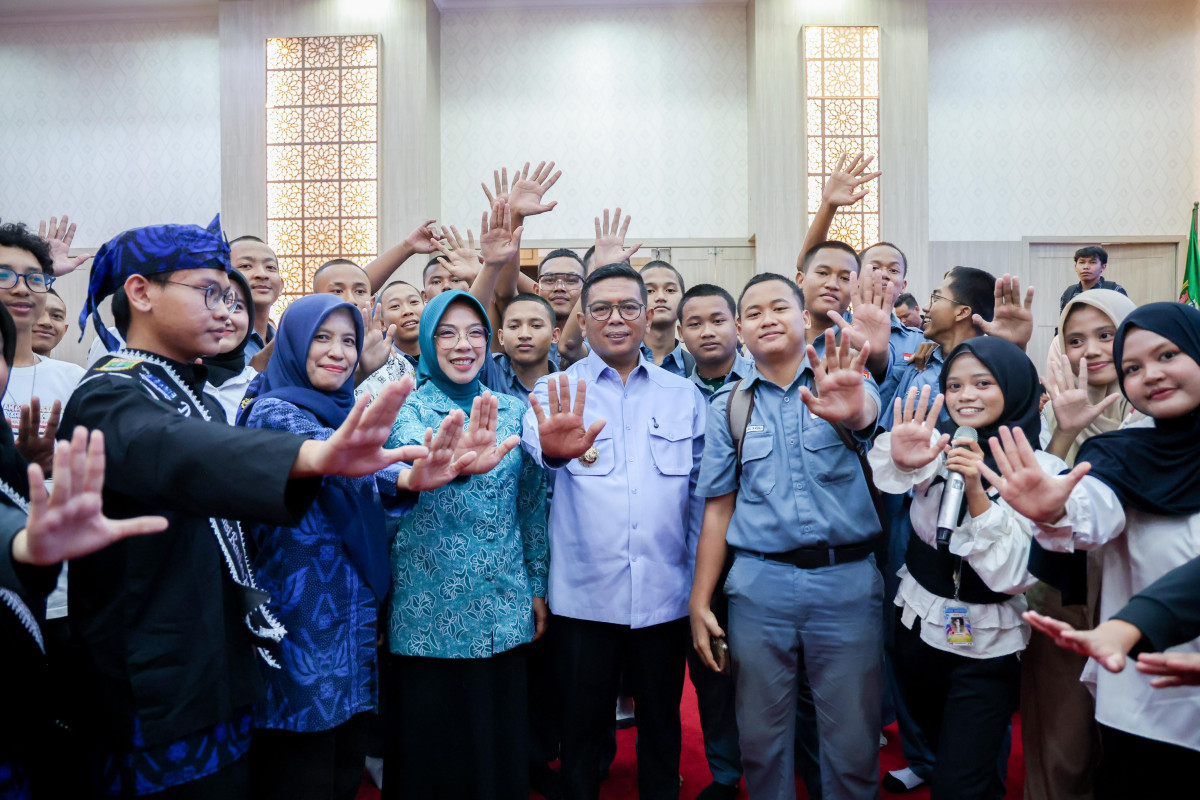
Serang, The Banten Post – Banten had about 1.2 million capital-market investors by the end of March 2026, placing the province among Indonesia’s five largest investor bases, but OJK data show that understanding of capital-market products remains far behind access.
The figure was reported by the Financial Services Authority (OJK) during its integrated capital-market education program in Serang on April 9 and repeated in an Antara News Banten report on the province’s financial-literacy campaign. The latest attention around the figure follows those official briefings and public financial-education events; Google Trends did not provide a reliable, verifiable localized series for the specific Banten investor query, so no search-volume number is presented here.
Why is Banten’s investor count drawing attention?
OJK said Banten’s 1.2 million investors ranked the province fifth nationally as of March 2026. Across Indonesia, the number of capital-market investors reached 24.4 million, with 54% aged under 30, according to OJK’s April release.
Gubernur Banten Andra Soni described the total as a positive base for further development. “Hingga akhir Maret 2026, jumlah investor pasar modal di Banten mencapai sekitar 1,2 juta investor dan berada pada peringkat kelima nasional, ini merupakan modal yang baik untuk terus kita kembangkan,” Andra said at the 2026 Banten People’s Financial Market in Serang, according to Antara.
The count signals broad participation, but it does not by itself show whether investors understand shares, mutual funds, bonds, digital assets, fees, volatility or fraud risks. A large investor total can include people who have opened accounts but trade infrequently or have limited knowledge of the products they hold.
What does financial literacy mean for new retail investors?
OJK’s 2025 National Survey of Financial Literacy and Inclusion found overall financial literacy at 66.46% and financial inclusion at 80.51% under its continuing method. For the capital-market sector specifically, OJK said literacy was only about 17.78%.
In practical terms, literacy means more than being able to download an investment application or open a securities account. New retail investors should understand their financial goal and time horizon, identify their risk profile, read a product’s benefits, costs and risks, and check whether the offering and intermediary are legally authorized.
Hasan Fawzi, OJK’s chief executive for capital markets, derivatives finance and carbon exchanges, said at the Serang education event that weak understanding leaves people vulnerable to illegal investment offers. OJK’s guidance also tells consumers to identify the regulator, read product terms carefully and contact the relevant authority when an offer remains unclear.
What should Banten readers verify next?
Before investing, readers should verify the product’s legal status and the licensing of the company offering it, rather than relying on social-media endorsements, guaranteed-return claims or pressure to act quickly. They should also compare the product with their own ability to absorb losses and avoid borrowing to speculate.
For structured learning, the Indonesia Stock Exchange offers regular, sharia and online School of Capital Market programs. The central lesson from Banten’s growth is straightforward: rising participation is useful only when investors can recognize risk, verify legality and make decisions they understand.
Sources
- https://ojk.go.id/id/berita-dan-kegiatan/siaran-pers/Pages/Sosialisasi-dan-Edukasi-Pasar-Modal-Terpadu-(SEPMT)-2026-di-Provinsi-Banten.aspx
- https://banten.antaranews.com/amp/berita/394059/investor-pasar-modal-di-provinsi-banten-tembus-12-juta-orang
- https://ojk.go.id/id/berita-dan-kegiatan/siaran-pers/Pages/OJK-dan-BPS-Umumkan-Hasil-Survei-Nasional-Literasi-Dan-Inklusi-Keuangan-SNLIK-Tahun-2025.aspx
- https://ojk.go.id/waspada-investasi/id/Pages/Tips-Investasi-Secara-Aman.aspx
- https://www.idx.co.id/id/investhub/sekolah-pasar-modal