# Music Festivals Reinvented: Eco-Friendly Stages and Virtual Crowds
The music festival — once synonymous with sprawling fields, diesel generators and mountains of single-use plastic — is undergoing a rapid reinvention. Across the global live-music industry, producers and technologists are testing a new playbook: build stages from reclaimed and living materials, run events on microgrids and battery storage, and extend the audience into virtual spaces where attendance no longer depends on travel or physical capacity.
Organizers describe the shift as pragmatic as well as philosophical. The pandemic accelerated investment in remote production and streaming; climate concerns and rising costs have pushed sustainability from a marketing line to an operational requirement. The result is a string of pilot projects and steady innovations that combine green engineering with immersive digital experiences.
A new generation of stages
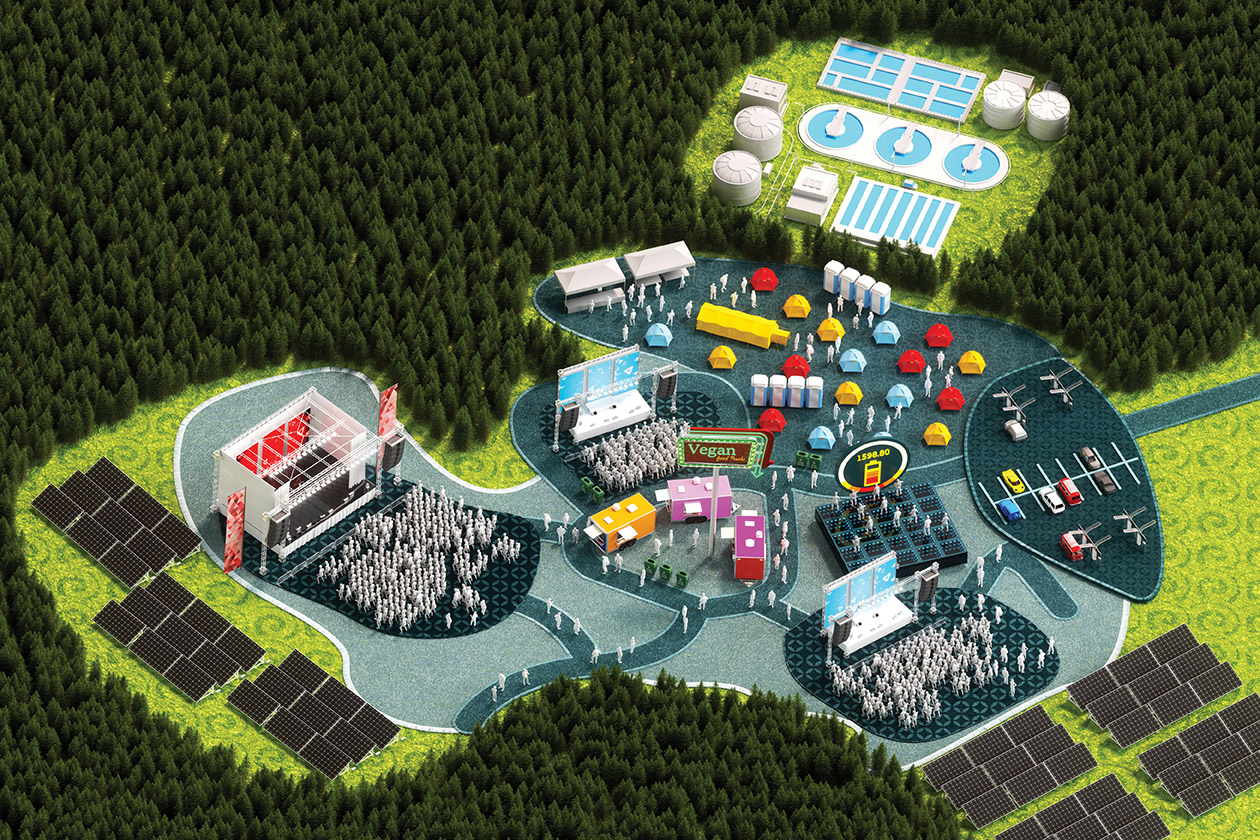
One of the most visible changes is material. Rather than steel trusses and painted plywood, architects and stage designers are exploring bamboo lattices, reclaimed shipping containers, and even load-bearing panels made from compressed agricultural waste. Acoustic engineers are testing mycelium-based sound baffles and living roofs planted with native species to reduce runoff and cool the stage footprint naturally.
Power plans are changing, too. Solar arrays sized to match lighting loads are married to modular battery packs and intelligent inverters that prioritize on-site generation. Where backup fuel is required, festivals are experimenting with biodiesel blends and renewable diesel to minimize emissions during peak production windows. Water conservation measures — waterless urinals, graywater recycling for showers and on-site composting toilets — are becoming standard at events that want to call themselves ‘low impact.’
Sustainability extends to logistics and supply chains. Catering vendors increasingly operate under zero-waste contracts: reusable serviceware, pre-weighed supplies to reduce food waste, and local sourcing to cut transport miles. RFID-enabled wristbands and cashless payments reduce the need for paper wristbands and printed programs while offering organizers better visibility into crowd flows and resource use.
Virtual crowds and hybrid experiences
At the same time, the “crowd” itself is being redefined. Virtual tickets, immersive 360° streams, and avatar-based viewing rooms allow people to attend festivals without stepping onto the site. Producers are leveraging real-time game engines and spatial audio to recreate the sensation of a live crowd, complete with dynamic camera angles and interactive overlays: choose your sound mix, zoom to a performer’s side-stage view, or purchase an exclusive virtual meet-and-greet.
These technologies serve several purposes. They increase capacity without expanding physical footprint, generate new revenue streams through tiered digital access, and reduce the carbon cost associated with long-haul travel. For audiences, the hybrid model lowers barriers — enabling parents, older fans, or global followers to participate in ways that were impossible a decade ago.
Practical implementations are emerging in the marketplace. Smaller regional events are pairing limited-capacity, high-touch on-site shows with professionally produced livestream channels. VIP virtual packages include enhanced camera feeds, artist Q&As and collectible digital memorabilia. At larger festivals, organizers use edge servers and adaptive bitrate streaming to keep latency low and maintain a sense of immediacy for international viewers.
Challenges remain
Transitioning to eco-friendly and hybrid formats is not without friction. Upfront costs for sustainable infrastructure — solar arrays, battery storage, modular stages — can be substantial. Technical complexity increases with integrated systems: power management, streaming production, and crowd analytics must be staffed by specialists. There are also artistic concerns; some performers and fans argue that the physical, spontaneous energy of an in-person crowd is difficult to replicate digitally.
Regulatory and permitting frameworks can lag behind innovation. Local authorities may be unfamiliar with composting sanitation systems or mobile microgrids, creating delays or additional compliance costs. Equitable access to virtual experiences is another open question: fast, low-latency streams require broadband that is not universally available.
What it means for Indonesia and Banten
For regions like Banten, the trend presents clear opportunity. The province’s coastal venues, agroforestry resources and growing tech community could support a new type of festival: compact, low-impact stages that showcase local materials and talent, paired with regional livestream hubs that expand reach without enlarging carbon footprints. Small-scale pilot events can demonstrate feasibility: a weekend series with solar-powered stages, local food vendors on zero-waste contracts, and a virtual-access tier marketed to diaspora communities.
Local governments and promoters who collaborate on permitting, invest in shared infrastructure — such as modular battery caches and communal gigabit uplinks — and develop transparent sustainability metrics will be best placed to attract international artists and sponsors while protecting the environment and local livelihoods.
Conclusion
Music festivals are being reinvented at the intersection of sustainability and digital technology. Eco-friendly stages, on-site microgrids and water-conserving practices are reducing the environmental footprint of live events, while virtual crowds and hybrid production models expand access and unlock new revenue. The transition presents technical and financial challenges, but it also opens creative and economic possibilities — especially for regions that can combine local materials, community engagement and reliable digital infrastructure. For the live-music industry, the future is less about returning to the pre-2020 model and more about designing experiences that are resilient, inclusive and ecologically responsible.
As audiences and artists adapt, the festival field itself may look very different in five years: smaller footprints on the ground, larger and more interactive audiences online, and stages that blur the line between built environment and living landscape. For communities like Banten, that new model offers a chance to host events that celebrate culture while leaving the land and seas in better shape than they found them.