# New Study Links Arctic Amplification (2023–25) to 2026 Extreme Weather Patterns — Farmers and Cities React
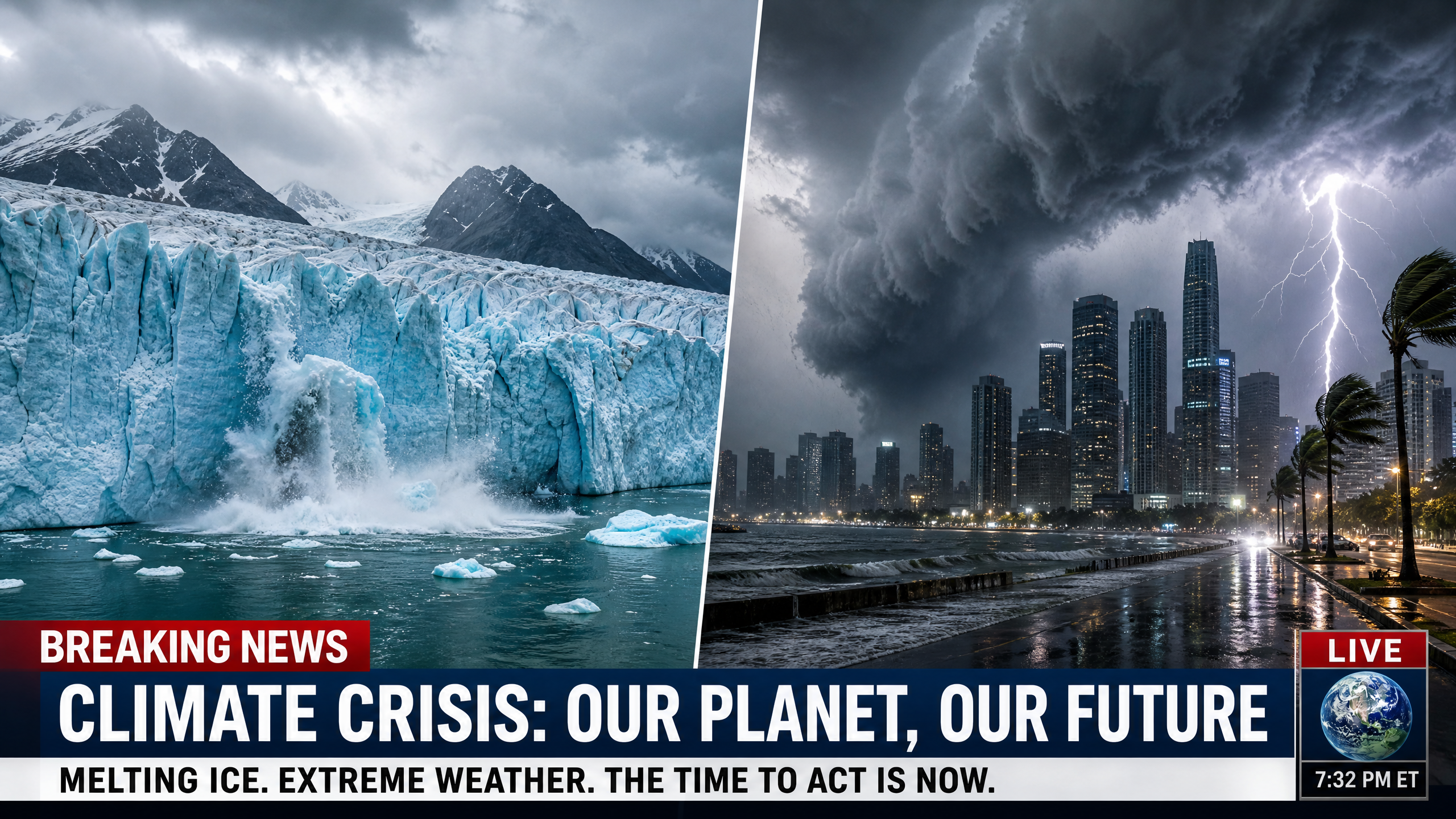
An international team of climate scientists has released a study drawing a direct line between the rapid Arctic warming observed during 2023–25 and a set of unusual and damaging weather patterns seen across the Northern Hemisphere in 2026. The research, published this week, argues that the accelerated loss of Arctic sea ice and related warming—commonly called Arctic Amplification—helped alter atmospheric circulation in ways that amplified heat waves, prolonged storms and shifted typical storm tracks. Farmers and city officials are already feeling the effects and adapting in real time.
Key findings and mechanisms
The study synthesizes observational records from 2023–25 with atmospheric model experiments to identify plausible physical links. According to the authors, the intense warming across the Arctic reduced the north–south temperature gradient and modified the jet stream’s typical path. Those changes increased the frequency of slow-moving, meandering Rossby waves and created more persistent blocking patterns over midlatitude regions.
In plain terms, when the jet stream weakens and undulates, weather systems stall. That persistence can mean multi-week heat waves, extended periods of heavy precipitation in some areas and longer dry spells in others. The study shows that, given the Arctic’s exceptional warmth in 2023–25, the probability of certain extreme events in 2026 rose substantially compared with a baseline climatology.
Regional impacts noted in the paper
– North America: The study links Arctic-driven circulation changes to a sequence of early-season heat spells followed by intense late-spring storms in parts of the central and eastern United States. Late frosts and rapid swings in temperature stressed crops and delayed planting decisions for some farmers.
– Europe and the Mediterranean: More frequent atmospheric blocking contributed to an extended warm, dry period across parts of southern Europe, exacerbating drought risk, while an anomalous storm track delivered heavy rainfall and floods to western coasts.
– South and East Asia: The altered circulation patterns were associated with an atypical timing of monsoon onset and localized extremes—both intense rainfall in some regions and prolonged dry periods in others.
Farmers adapt: from planting dates to insurance
Farmers across affected regions reported practical consequences. In the U.S. Midwest, variable spring temperatures and the risk of late freezes forced many growers to delay planting or to switch seed varieties with different maturities. Agricultural extension services saw a surge in calls about frost risk, irrigation needs and pest pressures that accompany warmer conditions.
Some producers are shifting toward more diversified crop rotations, investing in irrigation upgrades, and purchasing broader crop insurance coverage to buffer against more frequent extreme swings. Agricultural economists quoted in the study warn that small-scale and resource-limited farmers are the most vulnerable to these new patterns.
Cities respond: heat, flooding and infrastructure stress
Municipal officials in several midlatitude cities cited 2026 weather extremes as a wake-up call. Urban heat islands intensified the damage during sequential heat waves, while intense downpours overwhelmed aging stormwater systems in multiple metropolitan areas.
Cities are accelerating adaptations: expanding green infrastructure to reduce urban heat and runoff, upgrading drainage and pump capacity, and recalibrating emergency response plans. Public health agencies reported higher demand for cooling centers and increased awareness campaigns around heat and air quality.
Voices from science and policy
The study’s lead author summarized the message succinctly: Arctic changes are not isolated to the polar region; they reverberate through atmospheric circulation and raise risks for populated midlatitude regions. Policymakers and planners, the researcher said, need to incorporate a changing probability of extreme events into long-term infrastructure and agricultural planning.
Local leaders echoed that urgency. City managers described the 2026 events as a “stress test” for infrastructure, while farm cooperatives called for more investment in resilient agriculture and better early-warning tools.
What comes next
The researchers caution that while the paper identifies robust links between the Arctic’s 2023–25 warming and 2026 anomalies, attribution of specific extreme events remains probabilistic. They recommend expanded monitoring of Arctic conditions, improved seasonal forecasting that accounts for changing teleconnections, and accelerated adaptation funding for frontline communities.
For farmers and cities already adjusting policies and practices, the study offers both validation and a prompt: expect more volatility and prepare accordingly. For scientists, it adds to a growing body of evidence that Arctic climate shifts can reshape weather far from the pole, with tangible social and economic consequences.
Category: Science
Tags: climate science, Arctic, extreme weather, research