For Kampung Nelayan Merah Putih (KNMP) to improve coastal livelihoods, DPRD Kabupaten Serang should measure whether fishing families earn more safely and consistently, rather than count construction alone. The latest official Kabupaten Serang account, published for the regency’s 500th anniversary on 8 October 2026, reports support for 55 fisher groups, training for 430 residents in fish cultivation, employment-insurance protection for 200 vulnerable fishers, and the development of KNMP. It does not, however, publish a site-by-site completion report or prove that every activity has produced a lasting income gain.
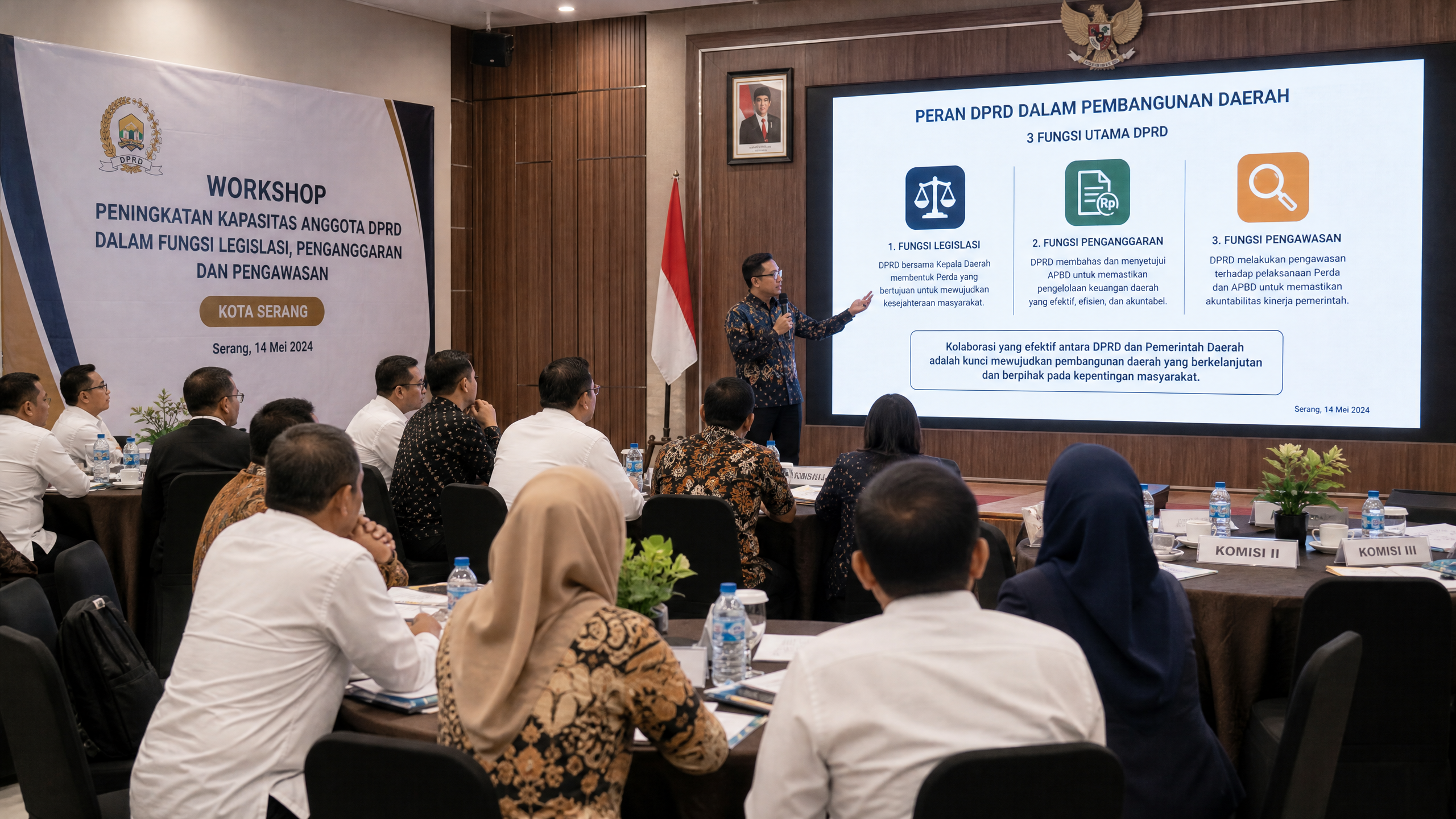
That distinction should shape council oversight on 14 October 2026. A useful audit would connect budgets and facilities to measurable changes in household earnings, post-harvest losses, access to fuel and markets, safety at sea, social protection and the condition of the coast.
What is the short answer for DPRD oversight?
- Measure livelihoods: compare fisher and fish-farmer income, working days, catch value, operating costs and post-harvest losses before and after intervention.
- Measure access: verify whether landing sites, cold storage, ice, docking, auction facilities, drainage and wastewater systems are usable, affordable and maintained.
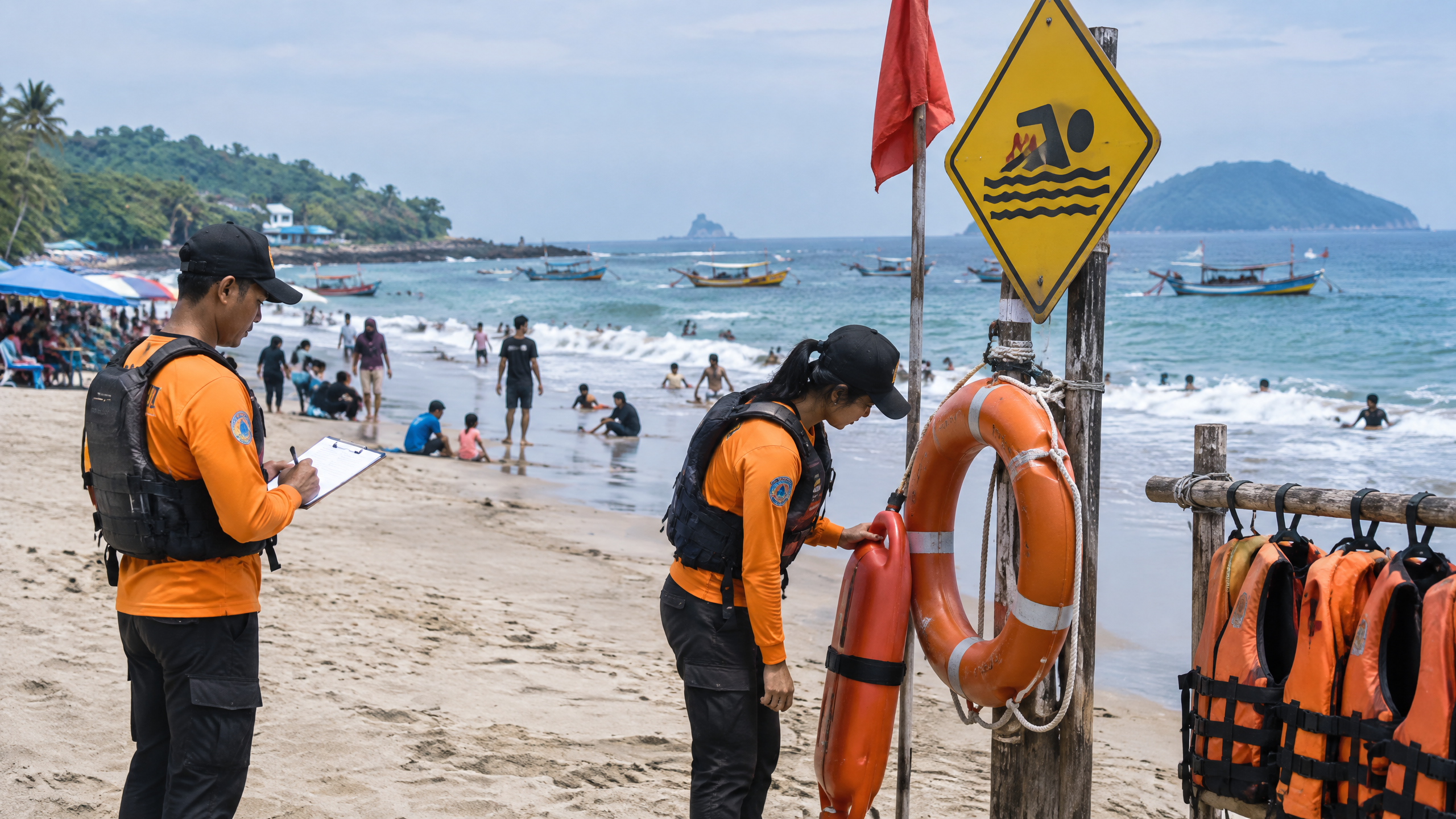
- Measure protection: publish beneficiary lists and check BPJS Ketenagakerjaan coverage, emergency readiness, weather-information use and access to subsidised fuel.
- Measure inclusion and accountability: disaggregate results for women working in processing and trading, vulnerable households, small boats and young workers; match payments and contracts to physical results.
What does Kampung Nelayan Merah Putih mean?
KKP describes KNMP as a transformation of coastal villages and aquaculture settlements into more productive, integrated and competitive fisheries areas. Its stated criteria include a population in which more than 80 percent work as fishers or fish farmers; more than one hectare of clear and clean land for production facilities; fishery, aquaculture or marine-tourism potential; and integration with Koperasi Desa Merah Putih.
The planned facility menu can include a jetty, cold-storage warehouse, training centre, ice plant, culinary centre, boat docking, fish auction site, drainage, wastewater treatment and offices. For oversight, each facility needs an operating test. A cold store that is built but unaffordable, a jetty that silts up, or a wastewater plant without a maintenance budget should not be recorded as a successful livelihood intervention.
What does Serang’s latest record actually establish?
The Kabupaten Serang government’s 8 October 2026 report says coastal-area and KNMP work supported 55 fisher groups, trained 430 people in fish cultivation and provided employment-insurance protection to 200 vulnerable fishers. Those are important administrative outputs, but they are not the same as evidence of higher net income or a completed KNMP.
A separate Kabupaten Serang report from 30 October 2025 said Desa Terate in Kramatwatu would be proposed to KKP if it met the national criteria. It identified the 80-percent occupation threshold, more than one hectare of clear and clean land, local fishery or aquaculture potential and integration with the village cooperative as requirements. Because that report described a proposal, DPRD should not present Terate as an officially selected or completed KNMP site without a newer designation, agreement or completion document.
Which coastal livelihood risks should be tracked?
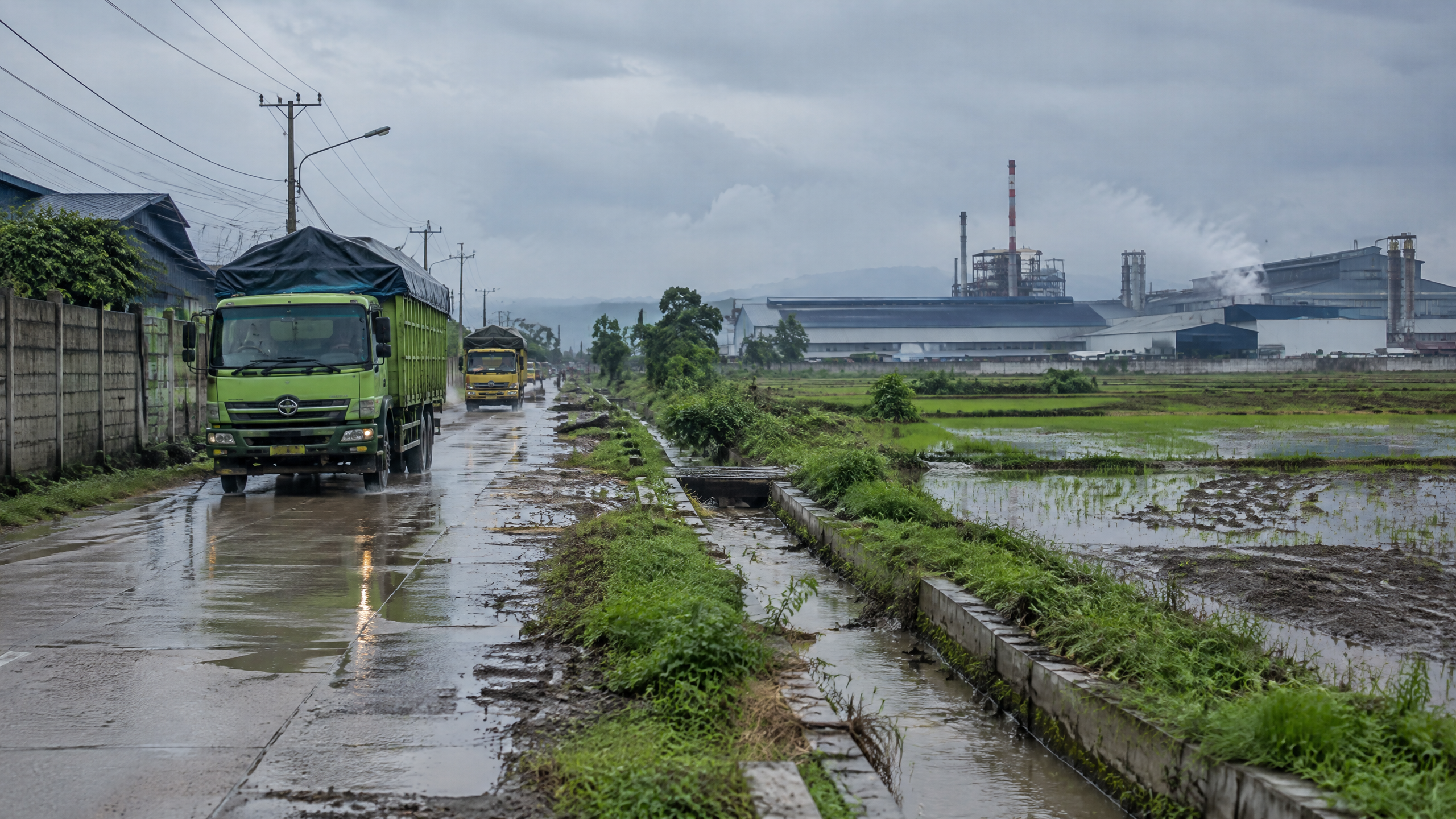
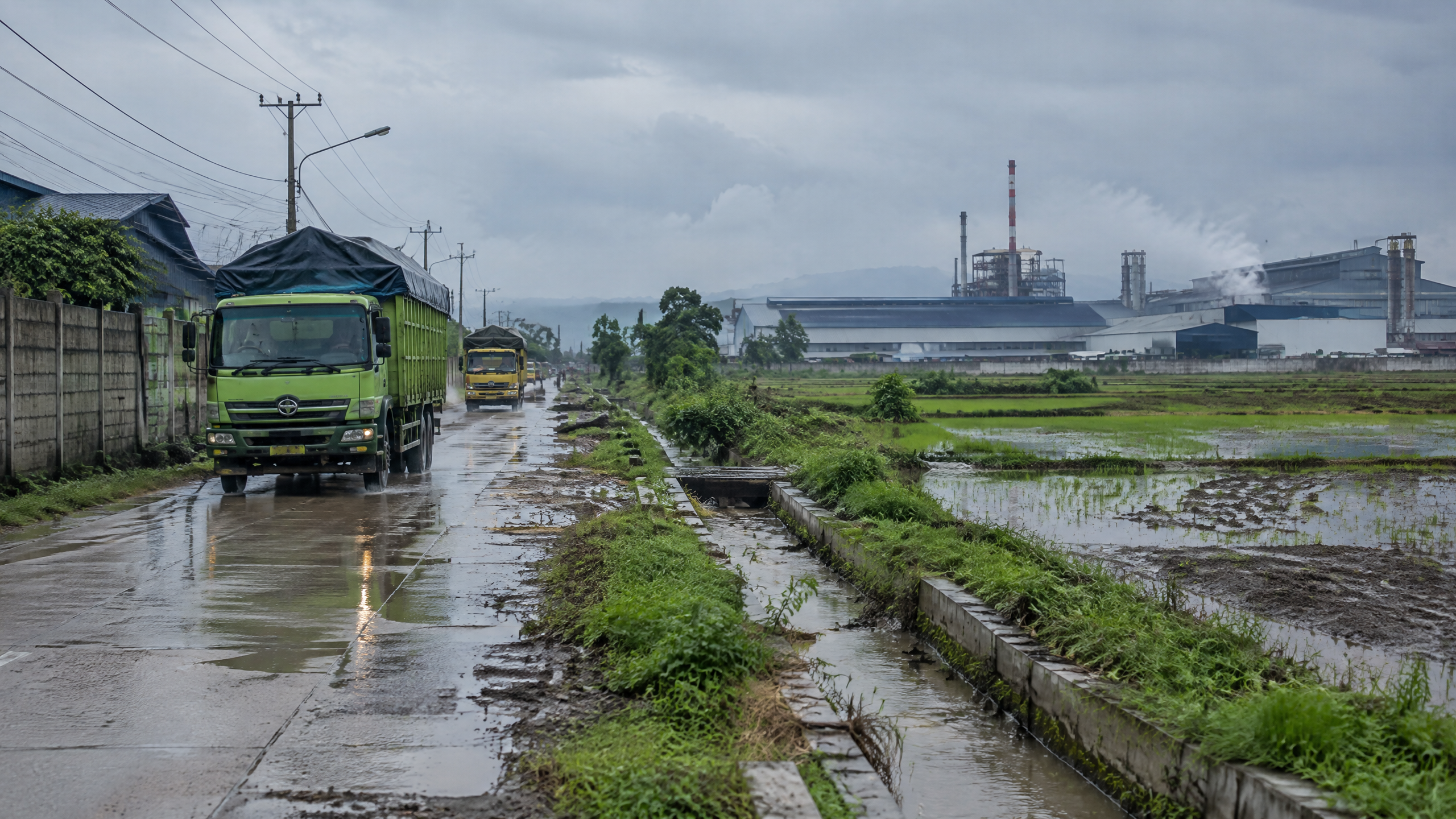
Fisheries infrastructure is exposed to weather, sedimentation and access problems. In a September 2025 dialogue, the Banten provincial government recorded complaints about siltation at landing places, subsidised-fuel access and fisher insurance. It also said BBWS C3 planned normalisation of the Cibanten River or Karangantu fishing port in 2026. Oversight should therefore ask for the work order, location, physical progress, navigation effect and maintenance plan, rather than assume that a stated plan was completed.
BMKG’s North Serang maritime page showed hourly conditions for 13 October 2026, including winds generally around 5–11 knots and short gusts reaching 11–18 knots in the displayed observations and forecasts. Such data are time-sensitive. DPRD should require a documented chain from BMKG warnings to village noticeboards, boat decisions, harbour procedures and emergency response. The question is not whether one day’s weather looked manageable, but whether safety systems work across changing conditions.
What should be published as verified facts?
- KKP’s 25 May 2025 announcement initially targeted 100 KNMP locations and set the national eligibility criteria; it also described the programme as involving local governments and communities.
- Kabupaten Serang’s 8 October 2026 account reports 55 supported fisher groups, 430 aquaculture trainees and 200 vulnerable fishers receiving employment-insurance protection.
- The same account does not provide a public, site-level KNMP completion percentage, facility-by-facility operating data or a before-and-after income series.
- Banten’s official 2025 fisher dialogue recorded complaints about siltation, fuel access and insurance, showing why infrastructure and protection must be audited together.
What do we know, and what remains unclear?
What we know: KNMP is designed as an integrated fisheries and settlement programme, not simply a repainting or housing project. Serang has reported group support, aquaculture training, insurance protection and KNMP development. KKP has defined eligibility and a broad facility concept.
What remains unclear: the official October 2026 source does not identify the precise KNMP site or sites in Serang, disclose contract values, show facility utilisation or quantify changes in fisher income, catch profitability and poverty. It also does not establish whether the 200 insurance beneficiaries are additional to earlier schemes or how long coverage will be financed.
That is the practical oversight test. DPRD Kabupaten Serang should request a public dashboard with locations, budgets, contractors, beneficiary names or verifiable beneficiary codes, operating status, complaints, maintenance costs and livelihood indicators. Until those records are published and independently checked, KNMP progress should be described as reported support and development—not as a proven transformation of every coastal household.
Sources
- https://serangkab.go.id/berita/hut-ke-500-kabupaten-serang-bupati-ratu-zakiyah-ungkap-keberhasilan-berbagai-program
- https://serangkab.go.id/berita/bupati-serang-ratu-zakiyah-dukung-desa-terate-jadi-kampung-nelayan-merah-putih
- https://www.kkp.go.id/news/news-detail/kkp-segera-bangun-100-kampung-nelayan-merah-putih-di-2025-ayo-daftar-sekarang-A67j.html
- https://bantenprov.go.id/berita/potensi-perikanan-banten-besar-gubernur-andra-soni-untuk-sejahterakan-nelayan
- https://maritim.bmkg.go.id/cuaca/perairan/perairan-utara-serang