Democracy in Action: Understanding the Structure and Role of DPRD Serang
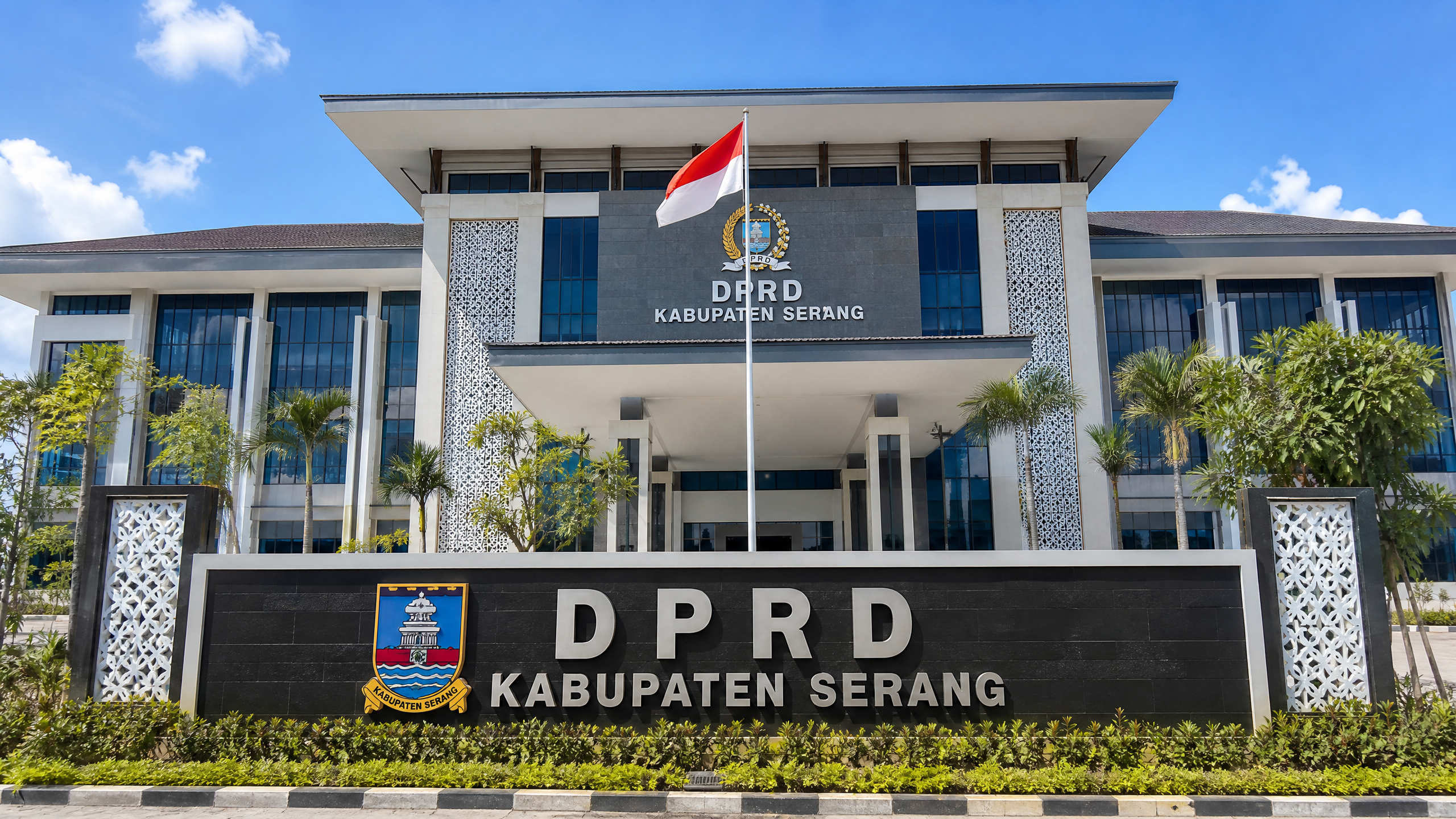
The Serang Regency Regional House of Representatives (DPRD Kabupaten Serang) is the local legislative body at the heart of democratic governance in Serang. As the elected voice of the people across urban and rural districts of the regency, the DPRD plays a central role in shaping local laws, approving budgets, and overseeing the performance of the regional government. For residents who want to understand how local decisions are made, knowing the DPRD’s structure and duties is the first step toward meaningful participation.
Composition and leadership
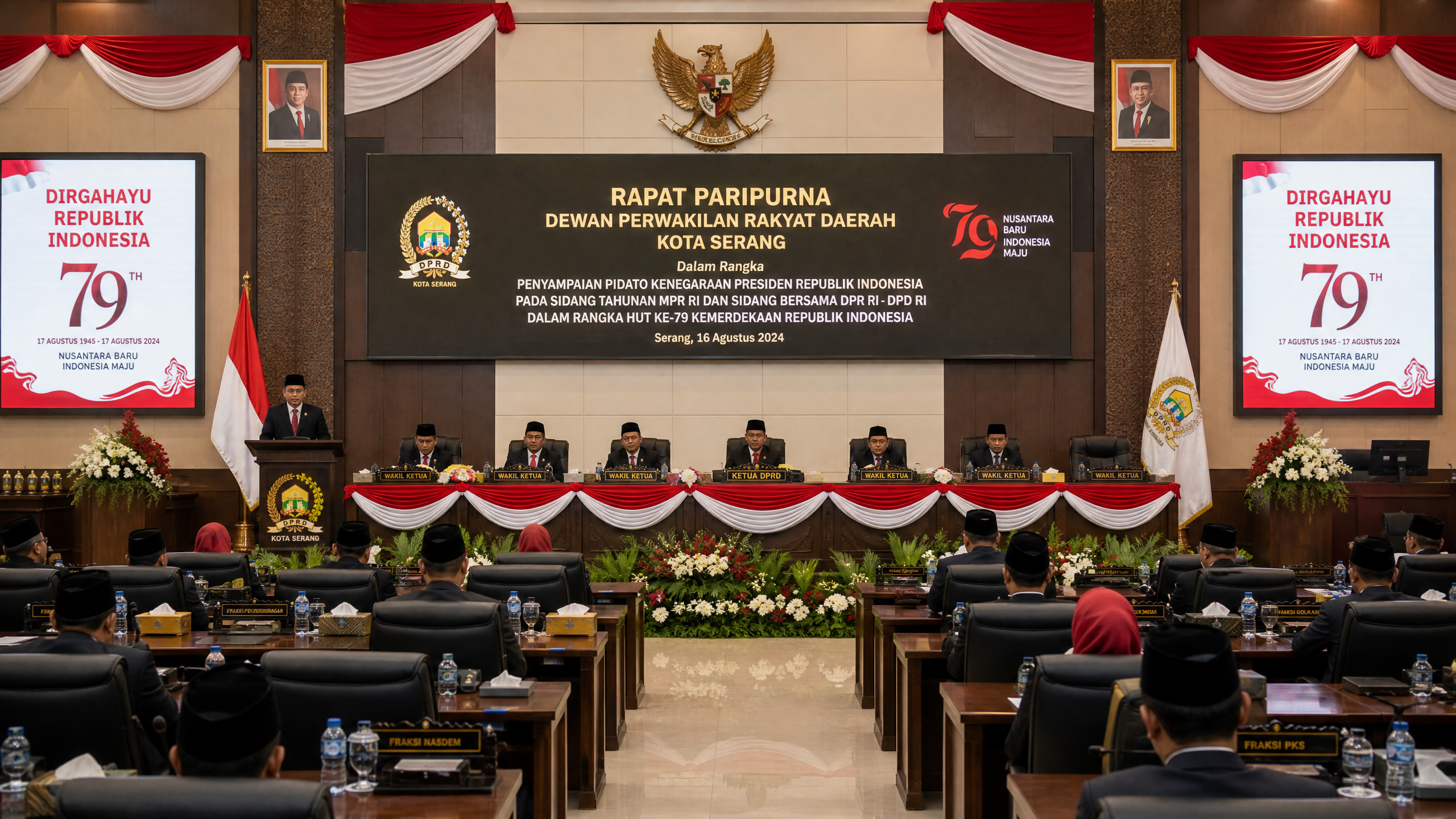
Members of DPRD Serang are elected every five years in the national legislative elections. They represent multiple electoral districts within the regency and are organized into political party factions (fraksi) that reflect the outcomes of those elections. The council’s leadership (pimpinan) typically consists of a chairperson and several vice-chairpersons drawn from different party factions to reflect political balance and coalition agreements.
The DPRD is supported by permanent bodies known as Alat Kelengkapan DPRD, including commissions (komisi) that focus on specific areas of public policy, as well as other bodies such as the Budget Committee (Badan Anggaran/Banggar), the Legislative Body (Badan Legislasi/Baleg), the Honorary Council (Badan Kehormatan/BK), and the Deliberation Body (Badan Musyawarah/Bamus). These organs allow the DPRD to divide complex workloads and provide specialized oversight.
Commissions and their roles
Work in DPRD Serang is divided among several commissions that mirror the main sectors of local governance. While exact names and responsibilities may vary over time, commissions commonly focus on:
– Governance and public administration: oversight of regional governance, local bureaucracy, and legal questions.
– Economy and infrastructure: development planning, public works, transportation, and economic affairs.
– Social welfare and public services: education, health, social programs, and community development.
Commissions conduct hearings with technical agencies (Satuan Kerja Perangkat Daerah, SKPD), review project proposals, examine development plans, and form the technical basis for plenary decisions.
Core functions and duties
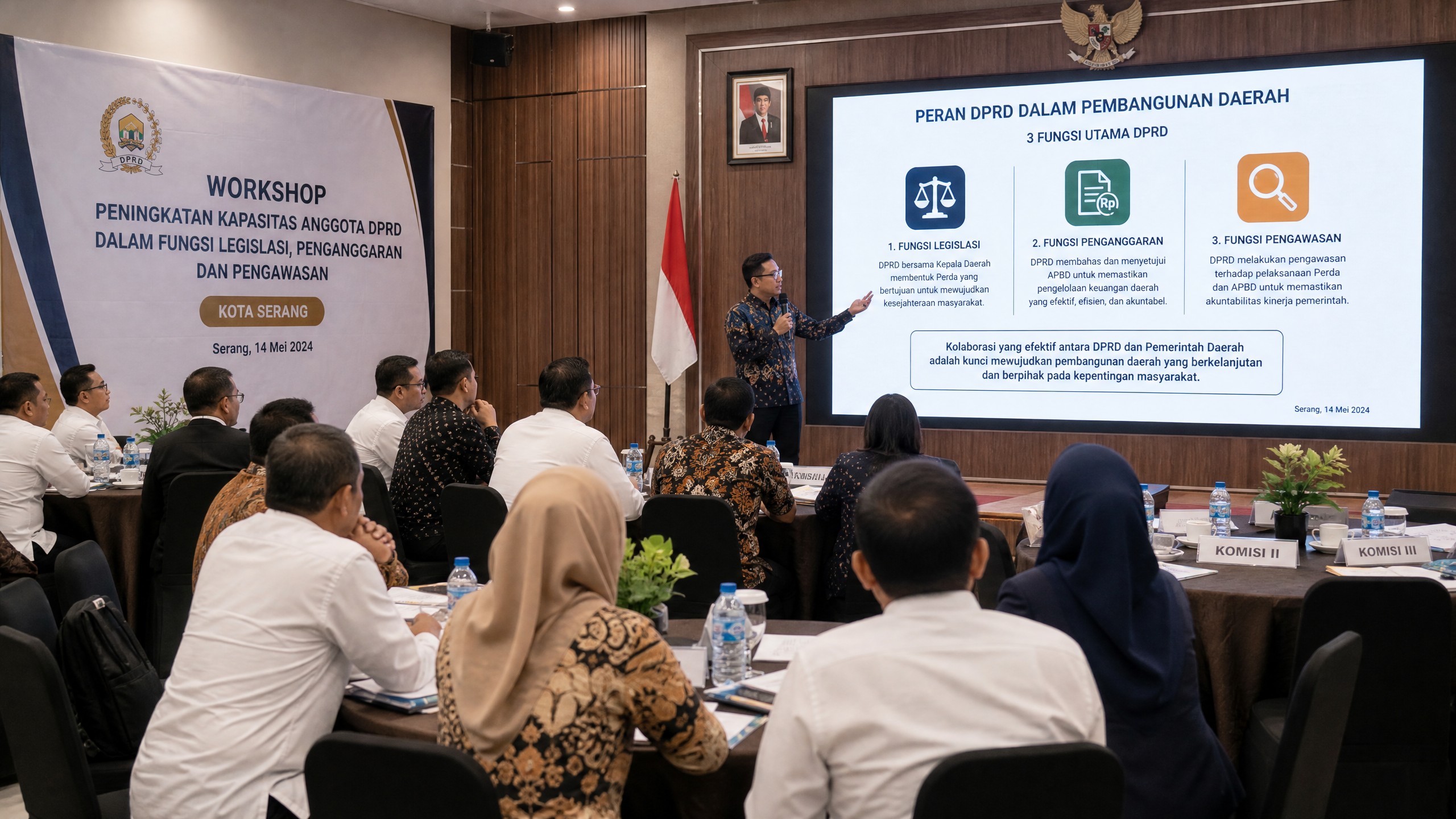
DPRD Serang carries three constitutionally mandated functions that are the backbone of local democracy:
1. Legislation (law-making)
The DPRD drafts, debates, and approves local regulations (Peraturan Daerah or Perda) that adapt national law to local needs. DPRD members initiate and scrutinize Raperda (draft regional regulations), consult with stakeholders, and ensure that new rules promote public welfare and legal clarity for Serang residents.
2. Budgeting (financial oversight)
One of the DPRD’s most consequential duties is reviewing and approving the regional budget (Anggaran Pendapatan dan Belanja Daerah, APBD). Through the Budget Committee (Banggar) and plenary sessions, the DPRD debates budget priorities, reallocates funds, and monitors budget execution. This function directly influences which infrastructure, health, education, and social programs receive funding.
3. Supervision and control (oversight)
DPRD Serang supervises the regent (Bupati) and the regional administration to ensure transparency, efficiency, and legality in public service delivery. Oversight mechanisms include requests for explanations, hearings, interpellation, and investigations into alleged maladministration. The council also evaluates the performance of regional heads and agencies against development targets.
Representation and public engagement
Beyond formal powers, DPRD members serve as conduits for constituent aspirations. They gather community input in village and subdistrict meetings, respond to complaints about public services, and propose solutions in council sessions. Public participation is encouraged through open plenary sessions, public consultations on Raperda, and hearings during budget discussions. Citizens and civil society organizations can petition the DPRD, present data during consultations, and hold representatives accountable through elections and public scrutiny.
Challenges and opportunities
Like many local councils, DPRD Serang faces challenges including ensuring transparency, improving technical expertise for complex budget and legal reviews, and fostering effective communication between the council, the executive, and citizens. Strengthening capacity—through training for legislators, accessible public reporting, and regular civic outreach—can help the DPRD better fulfill its duties and deepen democratic governance in Serang Regency.
Conclusion
DPRD Kabupaten Serang is more than a decision-making body; it is the institutional bridge between local government and the people. By legislating responsive rules, shaping budgets, and supervising public administration, the council translates citizens’ needs into concrete policies and services. For democracy in Serang to thrive, continued engagement from residents—voting, attending consultations, and communicating priorities to their DPRD representatives—remains essential.