The Banten Post –
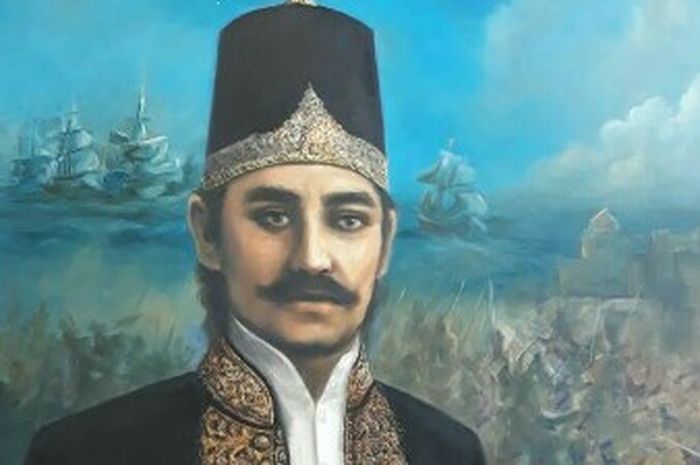
**Sultan Ageng Tirtayasa**, the sixth Sultan of Banten, stands as one of Indonesia’s most revered national heroes, celebrated for his unwavering resistance against the encroaching power of the Dutch East India Company (VOC). His reign, from 1651 to 1683, marked the golden age of the Banten Sultanate, a period of commercial expansion, diplomatic prowess, and fierce opposition to colonial dominance. ## A Visionary Leader and Economic Strategist Born in Banten in 1631, Sultan Ageng Tirtayasa, whose birth name was Abulfatah Agung, ascended to the throne with a clear vision for Banten’s prosperity and independence. He transformed Banten into a formidable trading power, actively promoting its economy and fostering trade relations with various nations, including England, France, Denmark, and China. This strategy was a direct challenge to the VOC’s ambition to monopolize the lucrative spice trade, particularly pepper, in the archipelago. Under his leadership, Banten reached the peak of its glory: its economy flourished, its people prospered, and its port became a bustling center of international commerce. He implemented policies that enhanced agricultural productivity and strengthened Banten’s maritime capabilities, ensuring the sultanate’s self-sufficiency and economic might. ## Unyielding Resistance Against the VOC Sultan Ageng Tirtayasa’s most defining characteristic was his resolute opposition to the VOC. He viewed the Dutch presence as a threat to Banten’s sovereignty and economic freedom. His resistance was multifaceted, ranging from diplomatic maneuvers to direct military confrontations. He supported local resistance movements and engaged in indirect guerrilla warfare, attacking Dutch ships and disrupting their trade routes. The conflict with the VOC intensified due to fundamental differences in interests: Sultan Ageng sought to maintain Banten’s independence and open trade, while the VOC aimed for complete control and monopoly. This struggle culminated in a tragic internal conflict, where the VOC strategically exploited a rift between Sultan Ageng and his son, Sultan Haji. Siding with Sultan Haji, the Dutch intervened militarily, ultimately leading to Sultan Ageng Tirtayasa’s defeat and capture in 1683. He died in Dutch imprisonment, a testament to his unyielding spirit. ## Legacy as a National Hero Despite his eventual capture, Sultan Ageng Tirtayasa’s legacy as a national hero remains profound. He is remembered for his courage, his commitment to his people’s welfare, and his valiant efforts to resist foreign domination. His struggle against the VOC serves as an inspiring example of early Indonesian nationalism and the enduring fight for independence. In recognition of his contributions, Sultan Ageng Tirtayasa was officially declared a National Hero of Indonesia. His story is taught in schools and celebrated as a symbol of resistance against colonialism, reminding future generations of the sacrifices made to achieve and maintain national sovereignty. ## Conclusion Sultan Ageng Tirtayasa’s reign was a golden era for the Banten Sultanate, marked by economic prosperity and a fierce defense of independence. His unwavering resistance against the VOC, though ultimately leading to his downfall, cemented his place in history as a true national hero. His legacy continues to inspire, embodying the spirit of defiance and the pursuit of self-determination that is deeply ingrained in the Indonesian national identity.Sultan Ageng Tirtayasa: Banten’s Valiant Leader Against Colonial Hegemony