The Banten Post –
Trekking in Banten Jungle: Exploring Indonesia’s Wild and Undiscovered Heartland
Banten Province, located in the westernmost part of Java, is home to some of Indonesia’s most dramatic and untouched natural landscapes. From the dense rainforests of Ujung Kulon National Park to the cloud forests of Mount Halimun-Salak, trekking in Banten’s jungle offers adventurers an experience that is raw, challenging, and profoundly rewarding. Unlike the well-trodden trails of Bali or Yogyakarta, Banten’s wilderness remains largely undiscovered by mainstream tourism, making it an ideal destination for those seeking genuine adventure.
The Wilderness of Ujung Kulon National Park
At the heart of Banten’s jungle trekking experience is Ujung Kulon National Park, a UNESCO World Heritage Site that protects the last surviving population of the Javan rhinoceros. The park’s 120,000 hectares of dense tropical rainforest offer some of the most remote and pristine jungle trekking in all of Southeast Asia.
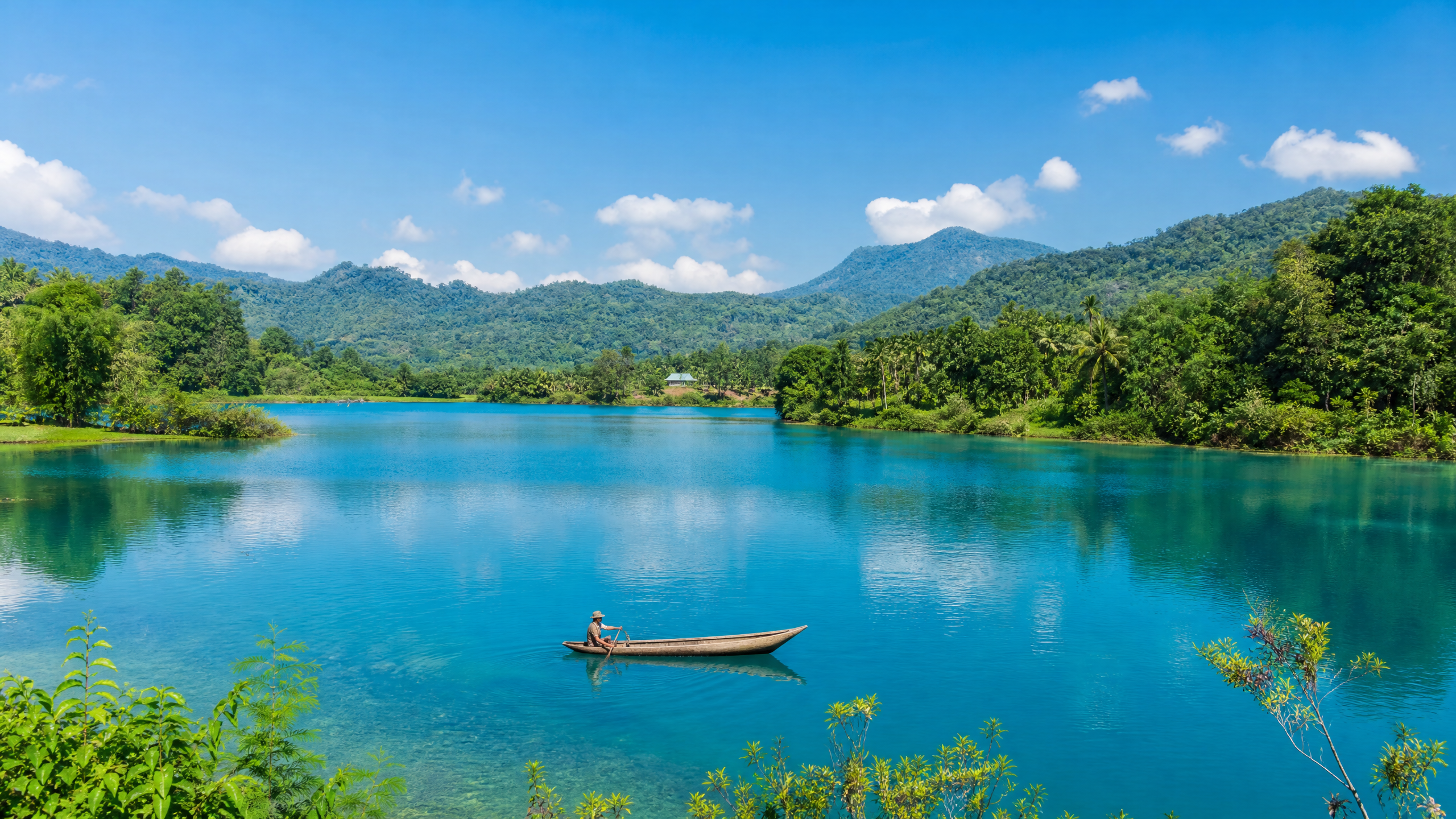
The two-day, one-night jungle trek is the most popular option for visitors. Starting from the Cibiuk River, trekkers paddle by traditional canoe through the mangrove forest before arriving at the Cidaon observation post. From there, a guided hike through the dense forest leads to the observation area, where wildlife signs such as rhino wallows, banteng tracks, and bird calls can be observed. Camping is permitted at designated sites, and overnight in the jungle under a canopy of stars is an experience few travelers ever forget.
For the more adventurous, extended multi-day treks lasting up to seven days penetrate deeper into the peninsula’s interior. These expeditions require experienced local guides and a good level of physical fitness, as the terrain includes steep ridges, river crossings, and thick vegetation that must be navigated with machete assistance in some sections.
Mount Halimun-Salak National Park
Spanning the border between Banten and West Java provinces, Mount Halimun-Salak National Park is another premier trekking destination. The park covers over 113,000 hectares of montane and cloud forest, protecting some of the largest remaining tracts of lowland rainforest in Java.
Mount Salak (2,211 meters) is the park’s highest peak and a popular trekking objective. The trail from the Nanggerang village typically takes 8 to 10 hours to summit, passing through diverse vegetation zones from lowland dipterocarp forest to montane moss forest near the summit. The trail is well-maintained but can be steep and slippery during the wet season.
Mount Halimun (1,929 meters), located in the northern section of the park, offers a slightly less challenging but equally rewarding trek. The forest here is home to the critically endangered Javan gibbon (Hylobates moloch), which can sometimes be heard calling in the early morning hours.
Mount Kendeng: The Hidden Peak
For those seeking a less crowded trekking experience, Mount Kendeng in Pandeglang Regency offers an excellent alternative. Standing at 1,269 meters, Mount Kendeng is accessible from the village of Cipeucang and features a relatively straightforward trail that passes through pine forest and open grassland. The entrance fee is remarkably affordable at Rp 10,000 per person, making it one of the most budget-friendly trekking destinations in Banten.
The summit of Mount Kendeng provides panoramic views of the surrounding countryside, including the Ujung Kulon peninsula to the south and the city of Pandeglang to the north. Camping is permitted at the summit, and the sunrise view from above the clouds is a highlight for many trekkers.
Essential Gear and Preparation
Trekking in Banten’s jungle requires careful preparation. The following items are essential:
Sturdy Hiking Boots: The terrain can be rocky, muddy, and steep. Quality waterproof hiking boots are non-negotiable.
Rain Gear: Even during the dry season, sudden rain showers are common in the jungle environment.
Insect Repellent: The jungle is home to mosquitoes, leeches, and other insects. DEET-based repellent is recommended.
Headlamp or Flashlight: Essential for navigating trails in low light and for campsite use.
Water Purification: Natural water sources are available along most trails, but water purification tablets or a filter are essential.
Local Guide: Hiring a local guide is not only recommended for safety but also enriches the experience with knowledge of local flora, fauna, and folklore.
Best Time for Jungle Trekking
The optimal period for trekking in Banten’s jungle is during the dry season from May to October. Trails are drier, visibility is better, and the risk of landslides and flash floods is lower. However, the wet season (November to April) offers its own rewards, including lush green scenery, active waterfalls, and fewer visitors.
Respecting the Environment
Banten’s jungle ecosystems are fragile and home to numerous endangered species. Trekkers are expected to follow Leave No Trace principles, including packing out all waste, staying on marked trails, and avoiding the collection of plants or animals. The success of conservation efforts at Ujung Kulon and Halimun-Salak depends in part on the responsible behavior of visitors.
Trekking in Banten’s jungle is not for the faint-hearted, but for those willing to embrace the challenge, it offers an unparalleled opportunity to experience one of Indonesia’s last great wildernesses. From the misty peaks of Mount Halimun to the remote rainforests of Ujung Kulon, Banten’s jungle trails promise adventure, solitude, and a profound connection with nature.