Banten Lama: Walking Through the Ruins of Surosowan and Kaibon Palaces
Tucked where the Cibanten River meets the Java Sea, Banten Lama remains a quiet witness to a once-great maritime kingdom. For visitors and locals alike, the ruined compounds of Surosowan and Kaibon palaces offer more than picturesque decay — they are layered texts of architectural grandeur, political power, and the living memory of the Banten Sultanate. Walking among their crumbling walls is to trace the story of a city that shaped trade, religion, and culture across western Java.
Surosowan: the Sultan’s imprint in brick and water
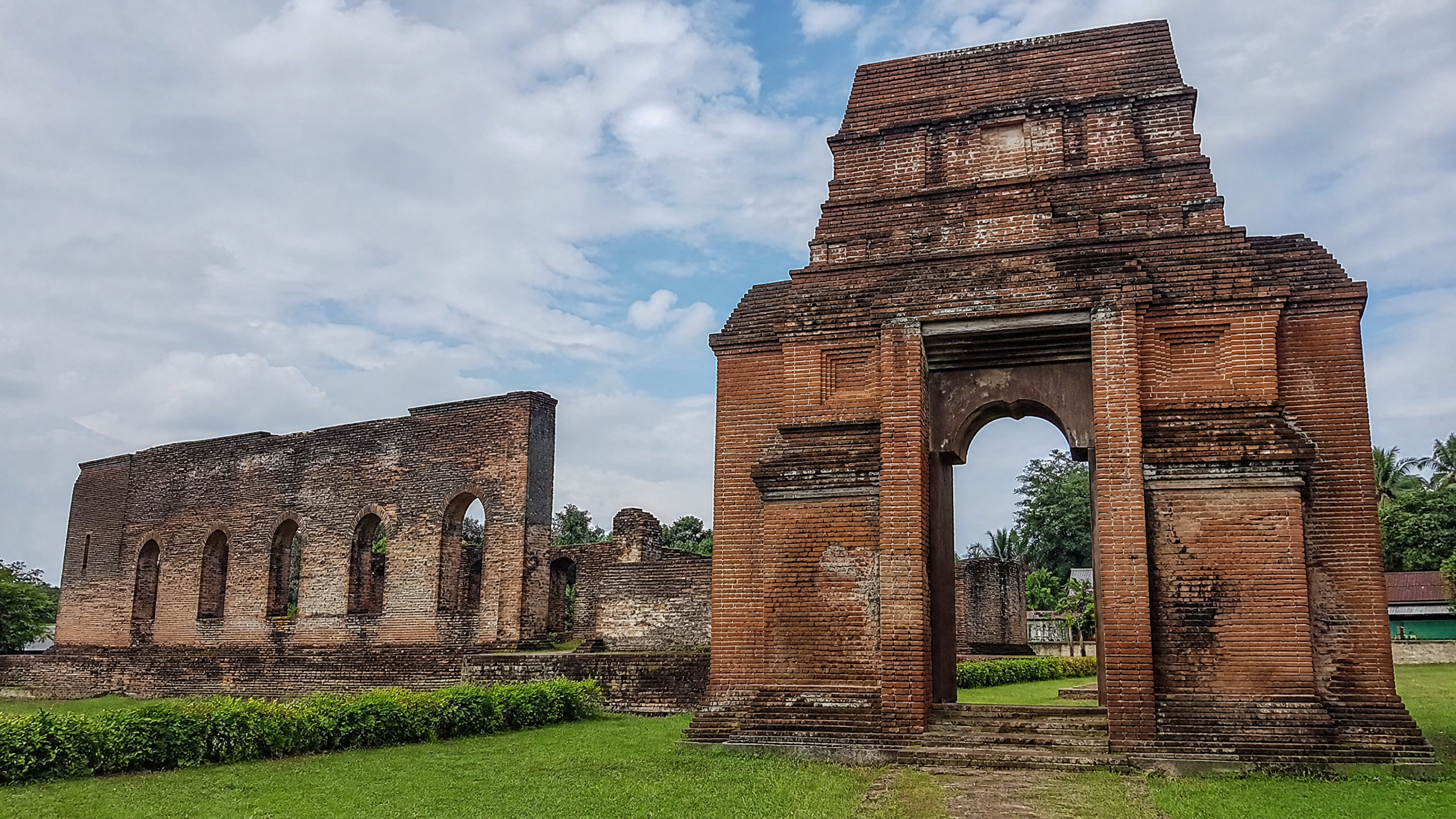
The Surosowan palace complex, once the administrative and ceremonial heart of the sultanate, still announces itself in long stretches of red brick foundation, surviving gateways, and the traces of formal courts. The layout hints at a complex that balanced public authority with domestic intimacy: open plazas and narrow corridors, halls for audiences, and enclosed gardens for private repose. The palace’s architecture reflects Banten’s cosmopolitan past — principally local Javanese and Sundanese building traditions augmented by Islamic motifs and foreign influences brought by traders from Arabia, Gujarat, and Europe.
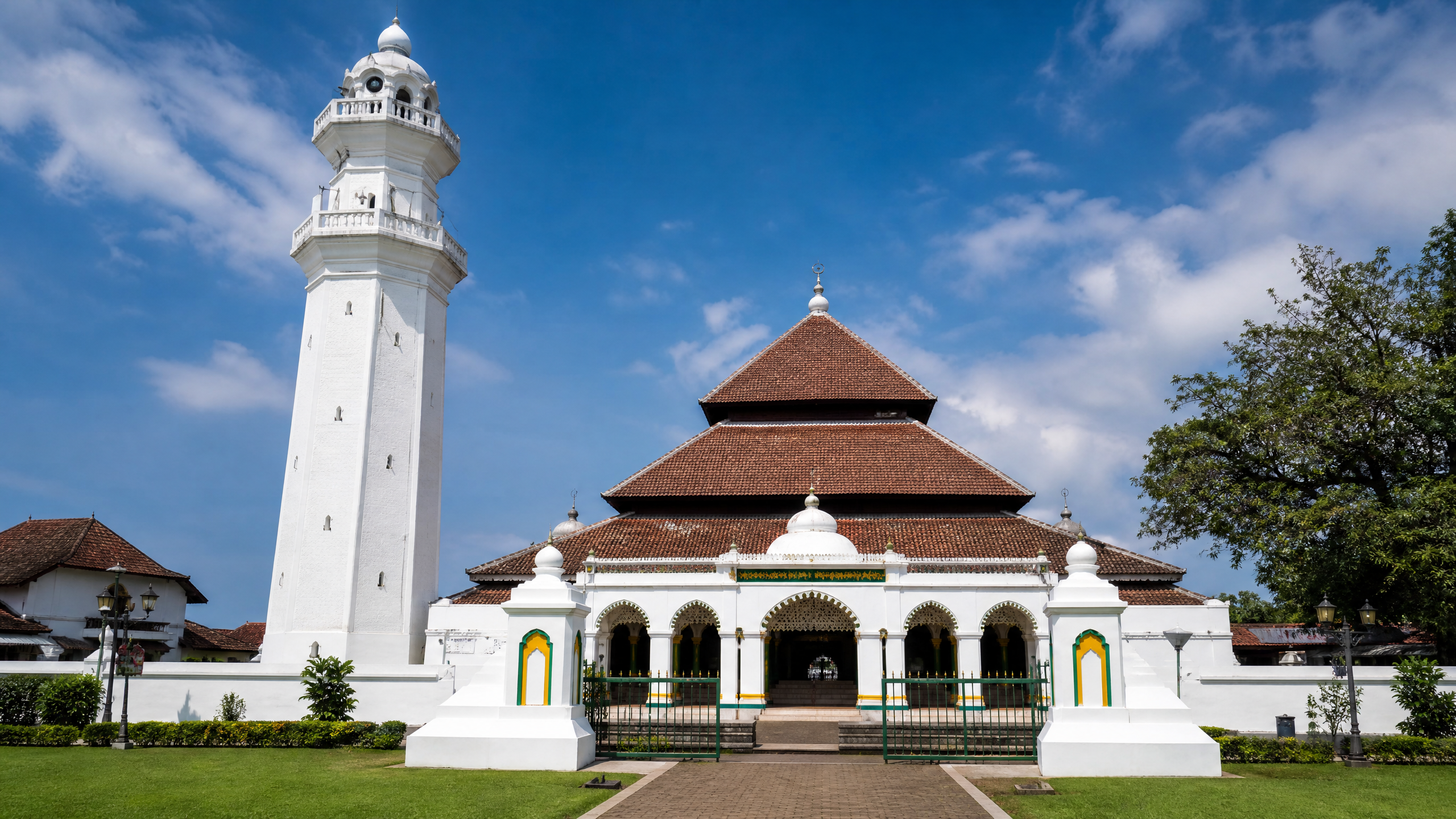
What remains today — basal walls, remnants of paved courtyards, and vestiges of water channels — are eloquent in their simplicity. Fired brick, used extensively across the site, has endured storms and salt air better than many other materials. Visitors can still see the careful coursing of bricks and the larger footprints of ceremonial rooms, giving a sense of the palace’s scale. Nearby, the Great Mosque of Banten, with its layered roof and timber structure, anchors the spiritual life that once thrummed close to the palace gates; together the mosque and Surosowan illustrate how political and religious authority were interwoven in the sultanate.
Kaibon: a queen mother’s residence and the poetry of ruin
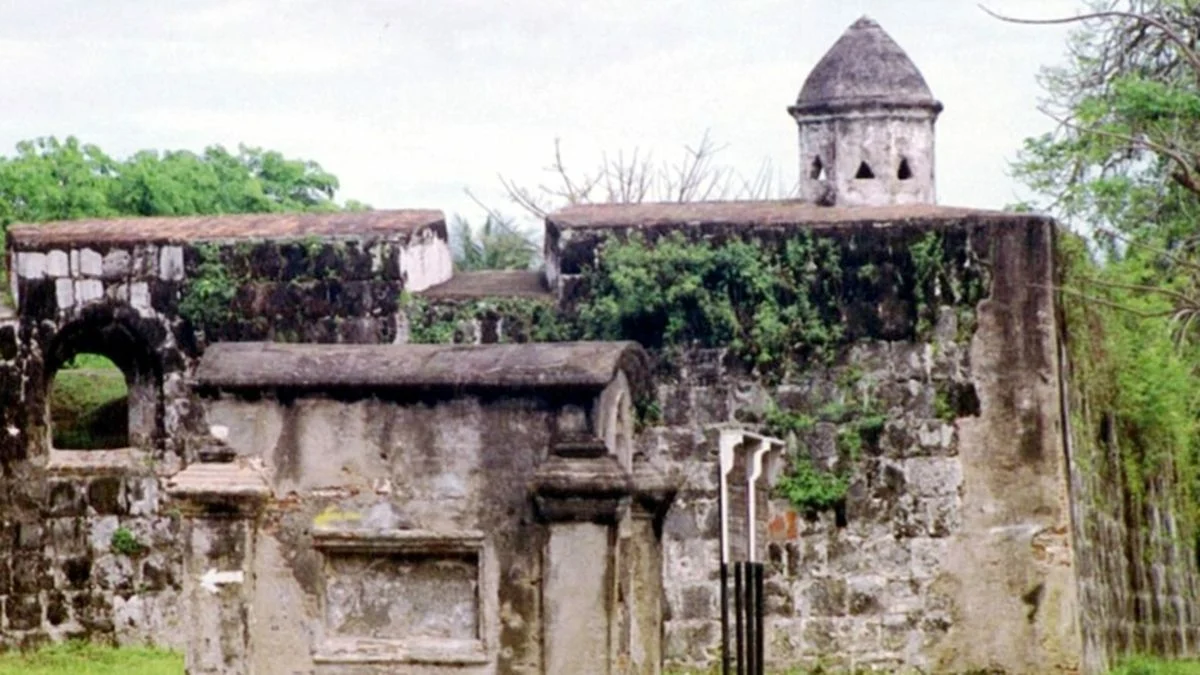
Across a short stretch of land stands the Kaibon palace, historically associated with the queen mother and known for its privileged siting close to the sea. Kaibon’s architecture is often remembered for its ornamental approach: ponds and canals that once reflected carved gateways, terraces that opened toward the coastline, and garden layouts blending local horticultural practice with forms inspired by foreign gardeners and architects engaged by the court. The surviving structures — fragments of colonnades, low walls, and a few surviving gates — allow the imagination to reconstruct a palace that must once have been lush, ceremonial, and attentive to water and view.
The Kaibon ruins are particularly evocative at low tide, when the contrast between receding sea and stable brick offers an image of time’s layered rhythm. The palace’s proximity to maritime routes underlines Banten’s historic role as a node in regional trade networks — Kaibon gazed seaward toward ships that brought pepper, cloth, and ideas.
Architecture as testimony
Both palaces reveal a shared vocabulary: the use of bricks bonded with lime mortar, the importance of gateways as symbolic thresholds, and the integration of water management into palace planning. The architectural details that survive — foundational outlines, carved stone thresholds, and the footprints of ponds and canals — attest to sophisticated urban planning and a court culture that valued display, diplomacy, and ritual.
These ruins also highlight colonial-era disruptions and later neglect. Over centuries the palaces suffered from conflict, shifting political power, natural forces, and a lack of continuous maintenance. Yet fragments endure, and they have become focal points for conservationists, archaeologists, and the local community.
A local heritage, a living site
For residents of Banten, Surosowan and Kaibon are not mere relics but part of local identity. Schools bring students to the site for history lessons, cultural performances are staged nearby, and small-scale tourism supports local guides and craftsmen. Preservation efforts by regional heritage bodies and cultural activists have stabilized parts of the site and improved visitor access, but ongoing conservation needs remain acute: salt erosion, vegetation overgrowth, and limited funding all threaten the delicate remains.
Walking through Banten Lama today is an invitation: to read architecture as history, to recognize the palaces as expressions of a dynamic sultanate that linked local tradition with global exchange, and to support the work that will keep these stones speaking for generations. For anyone interested in West Java’s past, the quiet grandeur of Surosowan and the melancholy beauty of Kaibon offer an unforgettable, locally resonant journey into history.