Sultan Ageng Tirtayasa: The Golden Age That Made Banten a Regional Power
BANTEN — The story of Banten’s most luminous chapter unfolded in the life and rule of Sultan Ageng Tirtayasa (1631–1692). Historians mark his era as the Banten Sultanate’s golden age — a period when the port city on the Sunda Strait became a magnet for trade, a seat of consolidated political power, and a center of determined resistance to growing European colonial ambitions.
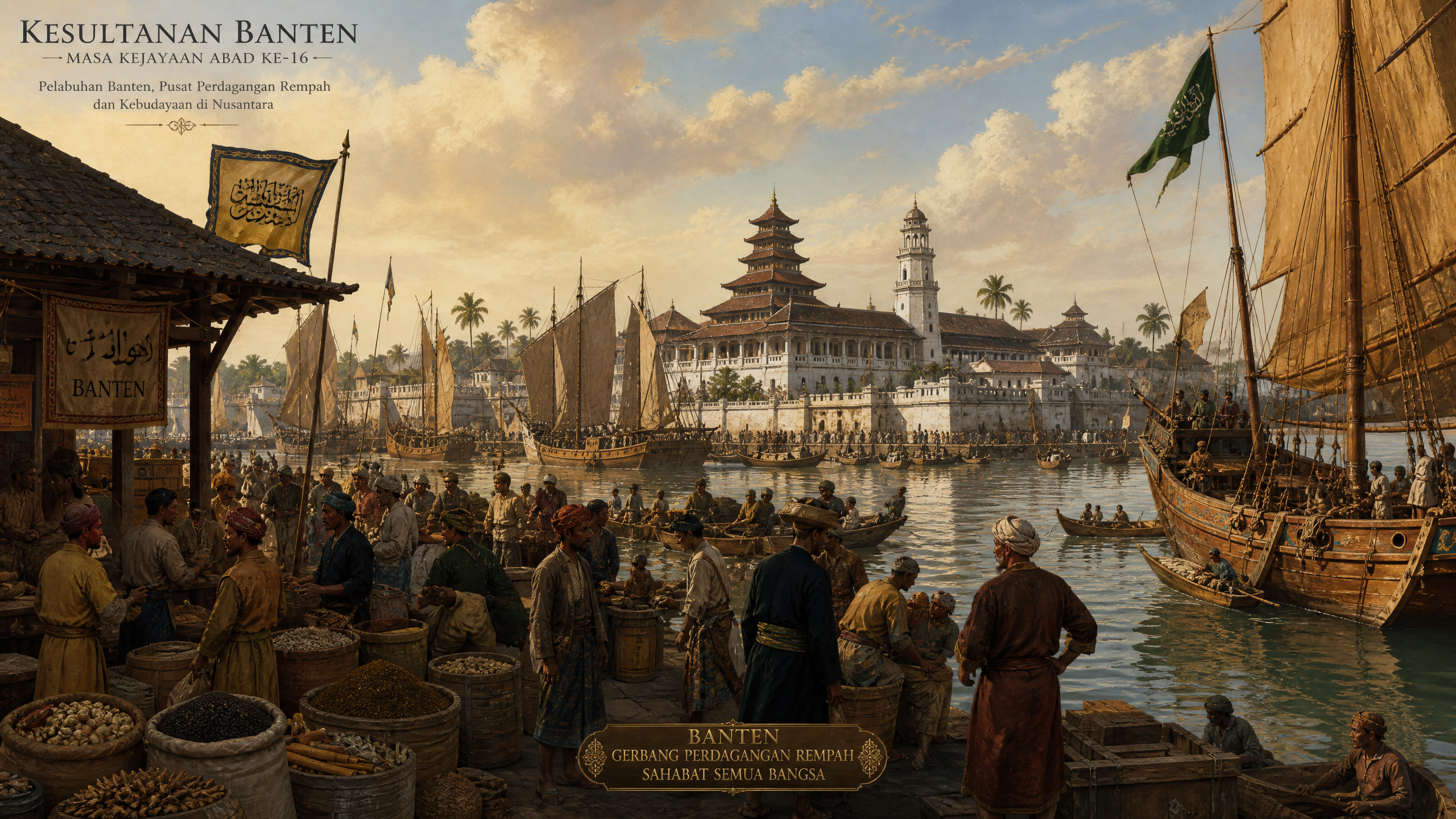
Nestled at the strategic gateway between Java and Sumatra, Banten benefited from geography and leadership. Under Sultan Ageng, the sultanate deepened its control over key agricultural and production zones — notably the pepper-producing regions of Lampung — and transformed the port of Banten (Bantam) into one of Southeast Asia’s busiest entrepôts. Merchants from Arabia, Persia, India, China, and Europe crowded the quays; commodities such as pepper, cloth, rice, and other spices flowed through bustling markets that linked the archipelago to global trade networks.
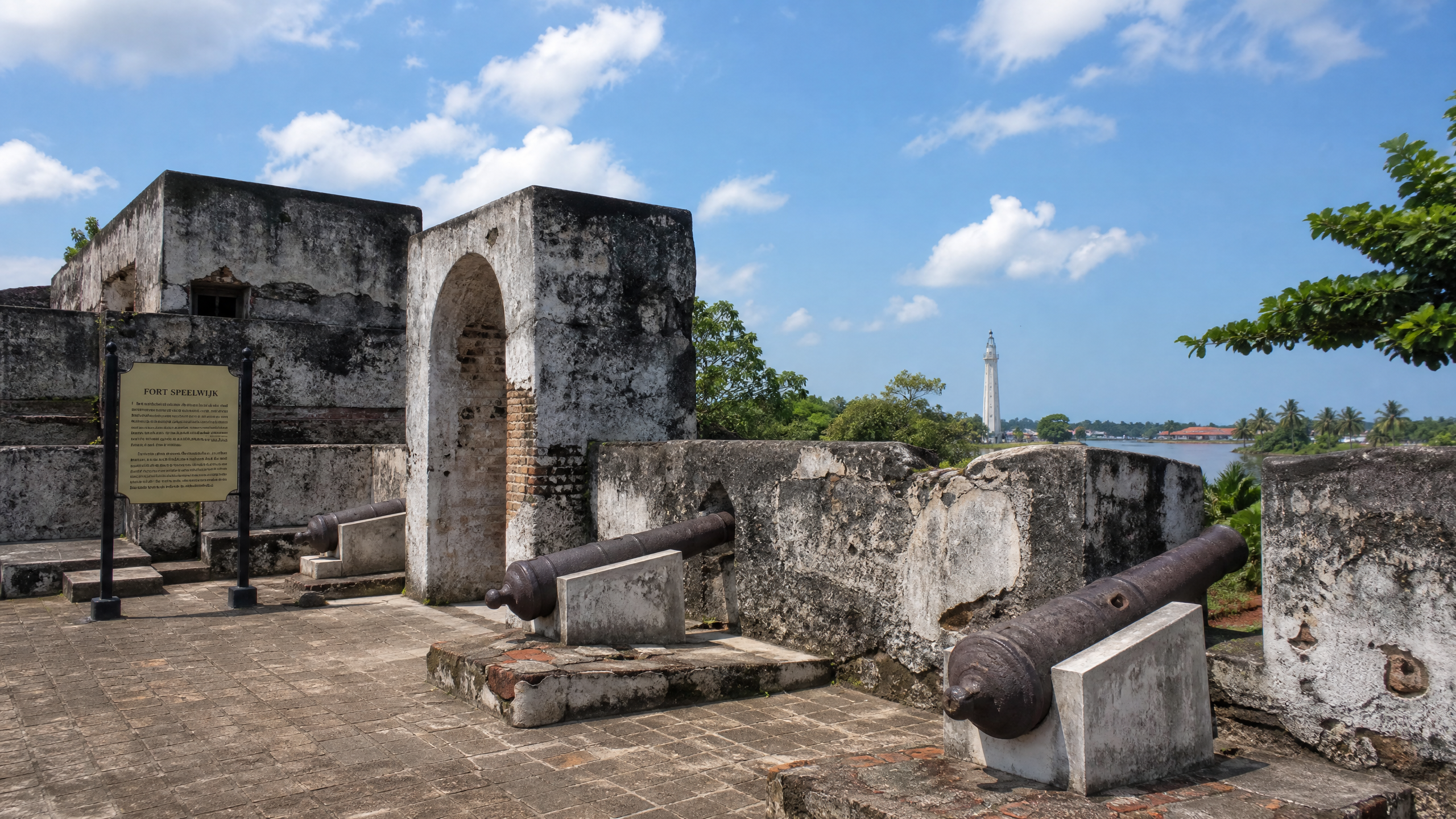
Trade was not only an economic engine but also a source of political strength. Sultan Ageng invested revenue from commerce into statecraft: he restructured administration, reinforced maritime capabilities, and extended Banten’s influence across western Java and the surrounding islands. Contemporary accounts and later scholarship depict a cosmopolitan capital where Islamic scholarship, craftsmanship, and maritime commerce intermingled. The Great Mosque and the remnants of Banten Lama (Old Banten) stand today as tangible reminders of this vibrant era.
Power at sea became central to Ageng’s strategy. Recognizing that control of shipping lanes equaled influence, the sultanate maintained a navy and coastal defenses to protect merchant shipping and assert authority in the Sunda Strait. This naval capacity enabled Banten to regulate local trade, collect customs, and resist external pressures that threatened its autonomy.
The greatest external pressure came from the Dutch East India Company (VOC). As the VOC expanded its base in Batavia and pursued monopoly ambitions across the Indonesian archipelago, Banten’s independence and commercial vitality increasingly put it at odds with the company. Sultan Ageng pursued a policy of resistance: he sought to curtail VOC privileges, welcomed traders and refugees fleeing Dutch rule elsewhere, and prepared Banten for confrontation by strengthening fortifications and naval forces.
This stance culminated in a bitter and ultimately tragic confrontation. Political divisions inside the royal household — most notably between Sultan Ageng and his son, known as Sultan Haji — weakened Banten at a critical moment. The VOC seized on these divisions, negotiating with and supporting factions amenable to Dutch interests. By the early 1680s the VOC had effectively intervened in Banten’s internal struggles; Sultan Ageng was besieged and after protracted fighting was captured. Although he lived until 1692, his capture marked the end of Banten’s independence and the close of its golden age.
The legacy of Sultan Ageng Tirtayasa remains potent in Banten today. Sites such as Banten Lama, the Great Mosque, royal tombs, and the Kaibon Palace area continue to attract local visitors and historians who seek to remember a time when Banten stood as a formidable maritime and political power. Local scholars and cultural groups emphasize Sultan Ageng’s role as an early symbol of resistance against colonial encroachment, and his story is woven into regional identity and heritage programs.
As Banten looks to preserve and promote its historical sites, the age of Sultan Ageng offers both pride and lessons. It underscores how strategic location, robust commerce, and resolute leadership can elevate a region — and how internal unity and vigilance are crucial when external forces seek dominance. For residents and visitors walking the lanes of Old Banten, the ruins and monuments still speak to a time when the sultanate’s sails were full and its influence reached across the seas.