The Banten Post –
Banten Archaeological Site Java: Uncovering the Ancient Kingdom of West Java
Banten Province, located at the westernmost tip of Java, is home to some of Indonesia’s most significant archaeological sites. From the ruins of the great Banten Sultanate to prehistoric settlements and ancient Hindu-Buddhist temples, the Banten archaeological landscape tells the story of a region that has been a crossroads of civilization for over a thousand years. This article guides readers through the major archaeological sites in Banten and explains their historical significance for understanding the development of Javanese civilization.
The Old Banten Archaeological Complex
The most extensive and well-known archaeological site in Banten is the Old Banten complex, located in Kasemen District, Serang Regency. This UNESCO World Heritage Tentative List site encompasses the ruins of the Banten Sultanate capital, which flourished from the 16th to the 18th centuries. The complex includes several key structures:
Keraton Surosowan (Surosowan Palace): The royal palace of the Banten Sultanate was constructed beginning around 1526 during the reign of Sultan Maulana Hasanuddin. The palace occupied an area of approximately 4 hectares and was enclosed by a massive brick wall up to 3 meters thick. Inside, the palace complex featured administrative buildings, residential quarters, water reservoirs, and defensive structures. Today, visitors can see the excavated foundations, brick walls, and drainage systems that reveal the sophistication of the sultanate’s urban planning.
Keraton Kaibon: A secondary palace complex located near Surosowan, Kaibon was the residence of the sultan’s mother, Ratu Aisyah. The ruins include the foundations of the main building and a large pond that was once part of the palace’s ornamental gardens.
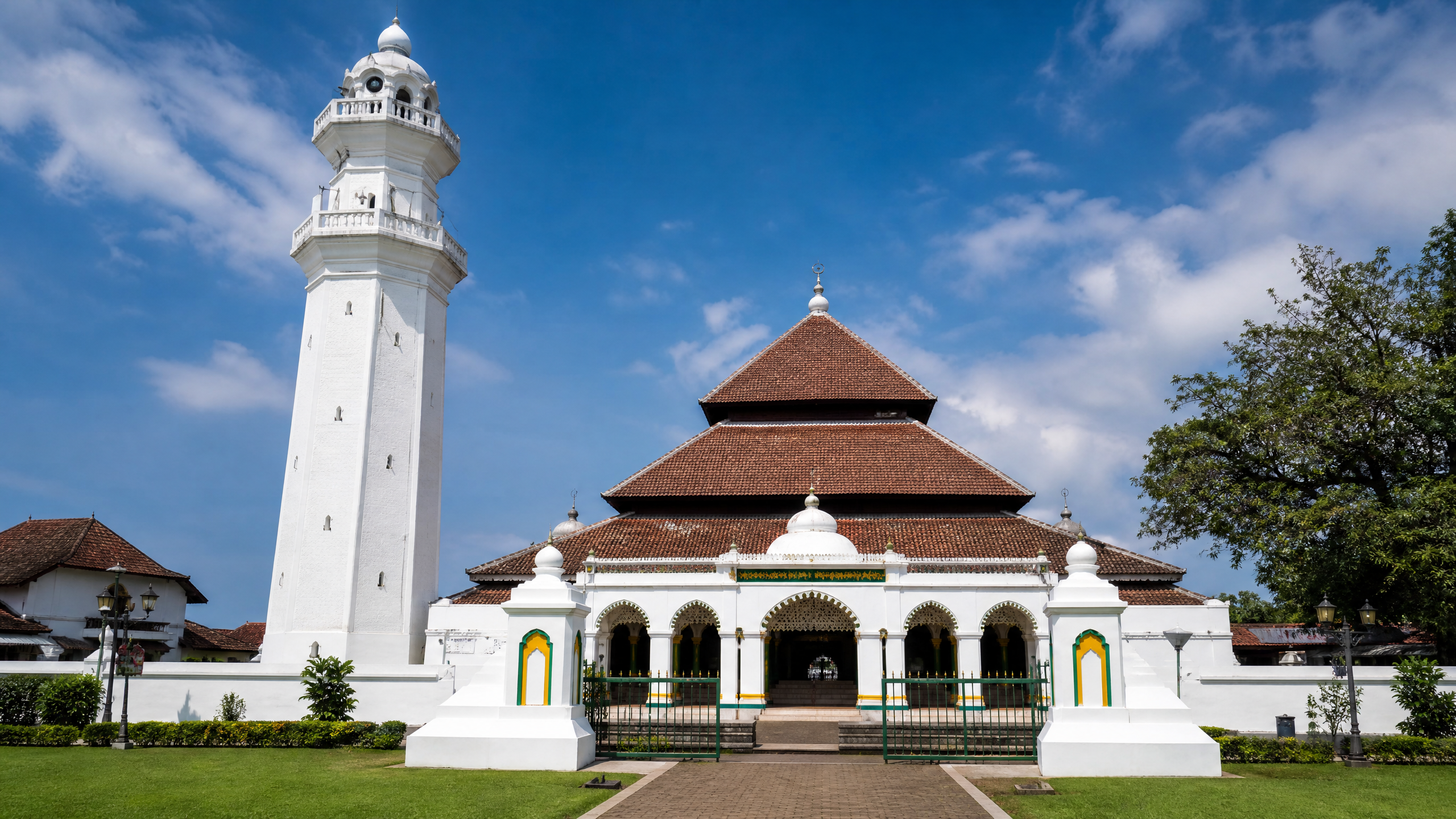
Masjid Agung Banten (Great Mosque of Banten): This mosque, built in the 16th century, is one of the oldest and most architecturally significant Islamic buildings in Java. The mosque features a distinctive multi-tiered roof that blends Javanese, Chinese, and Islamic architectural styles. The adjacent brick minaret (menara), built in the 17th century, is a unique structure with no parallel in Indonesian Islamic architecture.
Vihara Avalokitesvara: This Chinese Buddhist temple, located near the Great Mosque, dates from the 18th century and reflects the multicultural character of Old Banten. The temple was built by the Chinese merchant community that played a vital role in the sultanate’s trade network.
Fort Speelwijk: Built by the Dutch East India Company (VOC) in the late 17th century, this fort was used to protect the company’s trading operations and control the Sunda Strait. The fort’s ruins include sections of the original defensive walls and a cannon battery.
Prehistoric Archaeology in Banten
Beyond the Sultanate period, Banten also contains evidence of much older human settlements. Archaeological surveys in the region have identified several prehistoric sites:
Cibadak Archaeological Site: Located in Lebak Regency, this site has yielded stone tools and pottery fragments dating to the Neolithic period (approximately 2000-500 BCE). The discoveries suggest that the area was inhabited by early agricultural communities that cultivated rice and produced distinctive pottery.
Cimanuk River Valley Sites: The Cimanuk River valley in southern Banten has been the focus of archaeological research into early human occupation. Stone tools, shell middens, and pottery sherds indicate that the area was settled by hunter-gatherer and early farming communities over thousands of years.
Gunung Pulosari: This volcanic mountain in Pandeglang Regency has been identified as a site of ancient religious activity. Local traditions associate the mountain with Hindu-Buddhist ritual practices, and archaeological evidence suggests that it was used as a sacred site during the Hindu-Buddhist period of Java (approximately 5th-15th centuries CE).
Hindu-Buddhist Heritage
Although Banten is best known for its Islamic heritage, the region also contains traces of the earlier Hindu-Buddhist period. The Cikole Temple ruins in Pandeglang and scattered stone inscriptions in the region suggest that Hindu-Buddhist kingdoms once held sway over parts of western Java before the arrival of Islam in the 15th century.
The transition from Hindu-Buddhist to Islamic rule in Banten was gradual and peaceful, with the local population converting through trade contacts and the influence of Islamic scholars from the Middle East and the Demak Sultanate. This transition is reflected in the architectural style of the Great Mosque of Banten, which incorporates elements of the earlier Hindu-Buddhist building tradition.
The Museum of Old Banten
For visitors who wish to learn more about the archaeological heritage of Banten, the Museum of Old Banten (Museum Situs Purbakala Banten Lama) provides an excellent introduction. The museum, located near the archaeological complex, houses artifacts excavated from the Sultanate period, including ceramics, coins, weapons, and architectural fragments. Exhibits explain the history of the Banten Sultanate, its role in international trade, and the archaeological research that has revealed its past.
Archaeological Research and Conservation
Ongoing archaeological research at the Old Banten site is conducted by the Indonesian National Research and Innovation Agency (BRIN) in collaboration with international institutions. Recent excavations have uncovered new sections of the palace walls, previously unknown buildings, and artifacts that shed light on the daily life of the sultanate’s inhabitants.
Conservation efforts face challenges from urban development, illegal excavation, and environmental degradation. The Indonesian government has designated the Old Banten complex as a protected cultural heritage site, but enforcement of protection measures remains a work in progress.
Why Banten’s Archaeological Sites Matter
The archaeological sites of Banten are not merely relics of the past; they are vital sources of knowledge about the development of civilization in western Java. The Old Banten complex, in particular, demonstrates how a Southeast Asian kingdom integrated local traditions with Islamic culture, international trade, and colonial influences to create a unique and sophisticated society.
For archaeologists, historians, and travelers, Banten offers a compelling narrative of rise, prosperity, and transformation. The ruins of the sultanate’s palaces, mosques, and forts stand as silent witnesses to a civilization that once commanded the attention of the world. As archaeological research continues and conservation efforts improve, Banten’s heritage sites are poised to become one of Indonesia’s premier cultural tourism destinations, offering visitors a tangible connection to the ancient kingdoms that shaped the archipelago’s history.