The Banten Post –
Javan Rhino Calves and Their Habitat in Indonesia: A Glimmer of Hope
The birth of a Javan rhino calf is a rare and extraordinary event. With females giving birth only once every 3 to 5 years, each new calf represents a vital addition to the world’s most endangered rhinoceros species. Recent trail camera footage captured by the Ujung Kulon National Park Authority has confirmed the presence of mother-and-calf pairs, offering a beacon of hope for the survival of this critically endangered species. This article explores the reproductive biology of the Javan rhinoceros, the challenges of calf rearing, and the habitat conditions that make survival possible in Indonesia.
The Javan Rhino’s Reproductive Biology
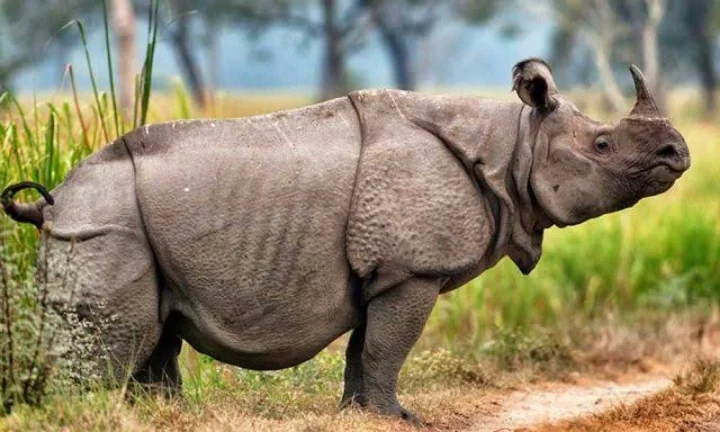
The Javan rhinoceros (Rhinoceros sondaicus) has one of the slowest reproductive rates among large mammals. Females reach sexual maturity at around 4 years of age, while males mature slightly later. The gestation period lasts approximately 15 to 16 months, after which a single calf is born. The calf typically remains with its mother for 2 to 3 years before becoming independent.
This slow reproductive rate is one of the primary reasons the species has struggled to recover from historical population declines. During the colonial era, Javan rhinos were hunted extensively for their horns, and by the 1930s, the species had already disappeared from most of its former range across Southeast Asia.
Habitat Requirements for Javan Rhino Calves
The habitat at Ujung Kulon National Park provides the specific conditions that Javan rhinoceros calves need for survival. The park’s dense tropical rainforest offers shelter, food, and protection from predators. Key habitat features include:
Wallowing Areas: Javan rhinos are known to spend significant time wallowing in mud and water. These wallows serve multiple purposes, including temperature regulation, parasite control, and marking territory. Calves learn these behaviors from their mothers and the availability of suitable wallows is critical for their development.
Diverse Food Plants: The Javan rhinoceros is a browser, feeding on a wide variety of plant species including shoots, leaves, twigs, and fruits. The diverse understory vegetation at Ujung Kulon provides the nutritional resources needed for growing calves.
Dense Forest Cover: The thick forest canopy and understory provide essential cover for mothers and calves, protecting them from human disturbance and environmental stressors.
Recent Discoveries: Mother and Calf Captured on Camera
In February 2026, a significant milestone was reached when trail cameras at Ujung Kulon National Park captured footage of a Javan rhino mother and her calf. Satyawan Pudyatmoko, Director General of Natural Resources and Ecosystem Conservation at the Indonesian Ministry of Environment and Forestry, stated: “This recording demonstrates that the habitat in Ujung Kulon remains well-preserved.”
This footage is particularly encouraging because it confirms that the habitat continues to support successful breeding. Between 2012 and 2022, the rhino population grew from 51 to 80 individuals, demonstrating that conservation measures are having a positive impact, albeit slowly.
Challenges in Calf Survival
Despite these positive developments, Javan rhino calves face significant challenges. The small population size means that inbreeding depression is a growing concern, potentially affecting calf health and survival rates. Additionally, the invasive Arenga palm (Arenga obtusifolia) continues to expand across the peninsula, reducing the availability of preferred food plants for rhinos.
The 2025 translocation attempt of a rhino named Musofa, which unfortunately ended in the animal’s death, highlighted the risks involved in any intervention that separates individuals from their established habitat. Conservationists now emphasize that protecting the existing habitat and maintaining the conditions for natural breeding remain the highest priorities.
The Role of Habitat Protection
The long-term survival of Javan rhino calves depends entirely on the quality and extent of their habitat. Ujung Kulon National Park covers approximately 120,000 hectares, but the usable habitat for rhinos is considerably smaller. Conservation efforts to clear invasive species and restore degraded areas are essential to expanding the carrying capacity of the landscape.
The Biobank Program initiated in 2025 represents a complementary strategy, preserving genetic material that could support future breeding efforts, either through assisted reproduction or as insurance against catastrophic loss.
What the Future Holds
The presence of Javan rhino calves at Ujung Kulon National Park is a testament to the resilience of this species and the dedication of conservationists. While the population remains critically small, each new calf brings the species one step closer to a sustainable future. Continued habitat protection, vigilant anti-poaching patrols, and innovative conservation strategies will be essential to ensuring that Javan rhino calves continue to be born in Indonesia for generations to come.