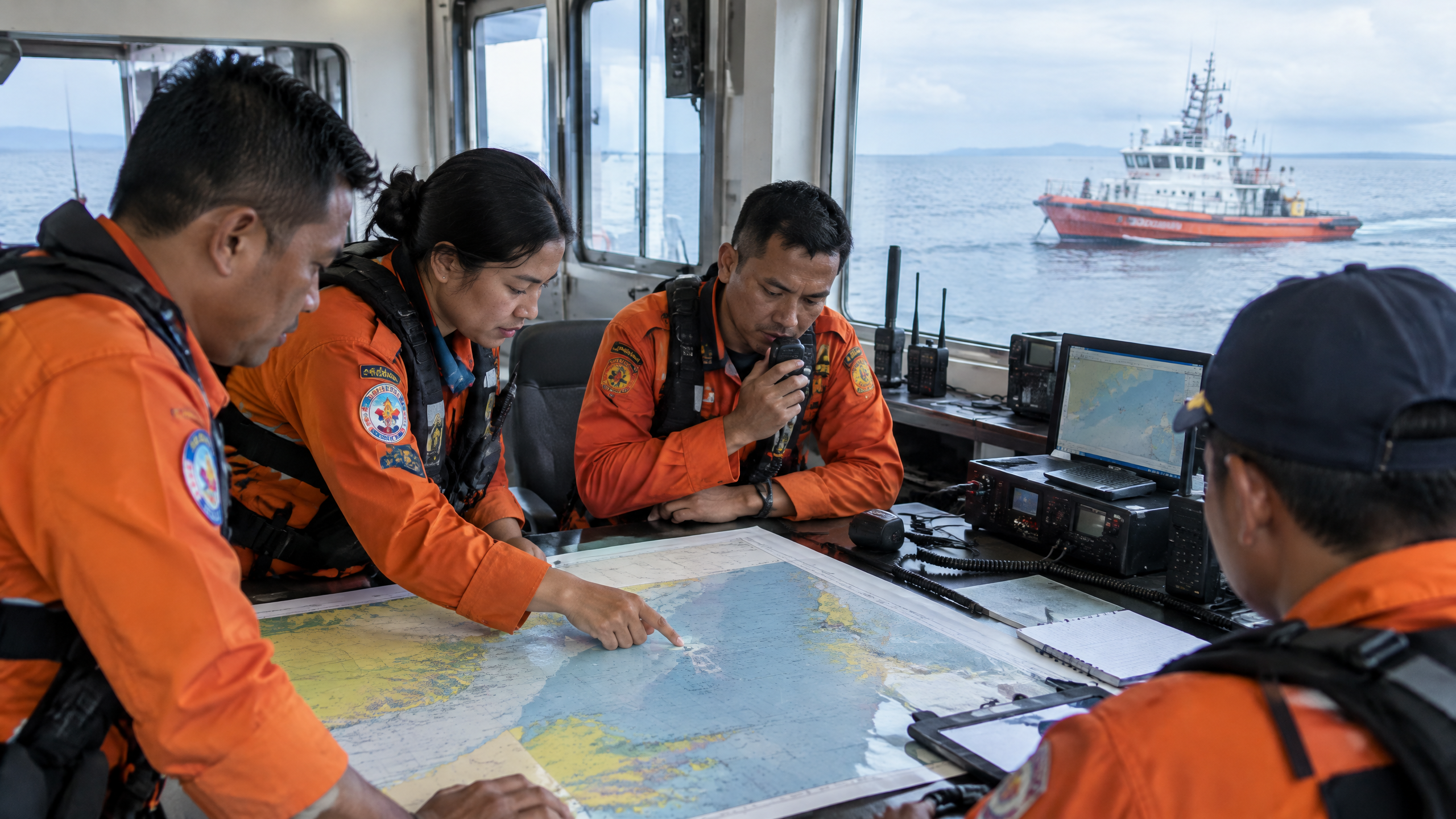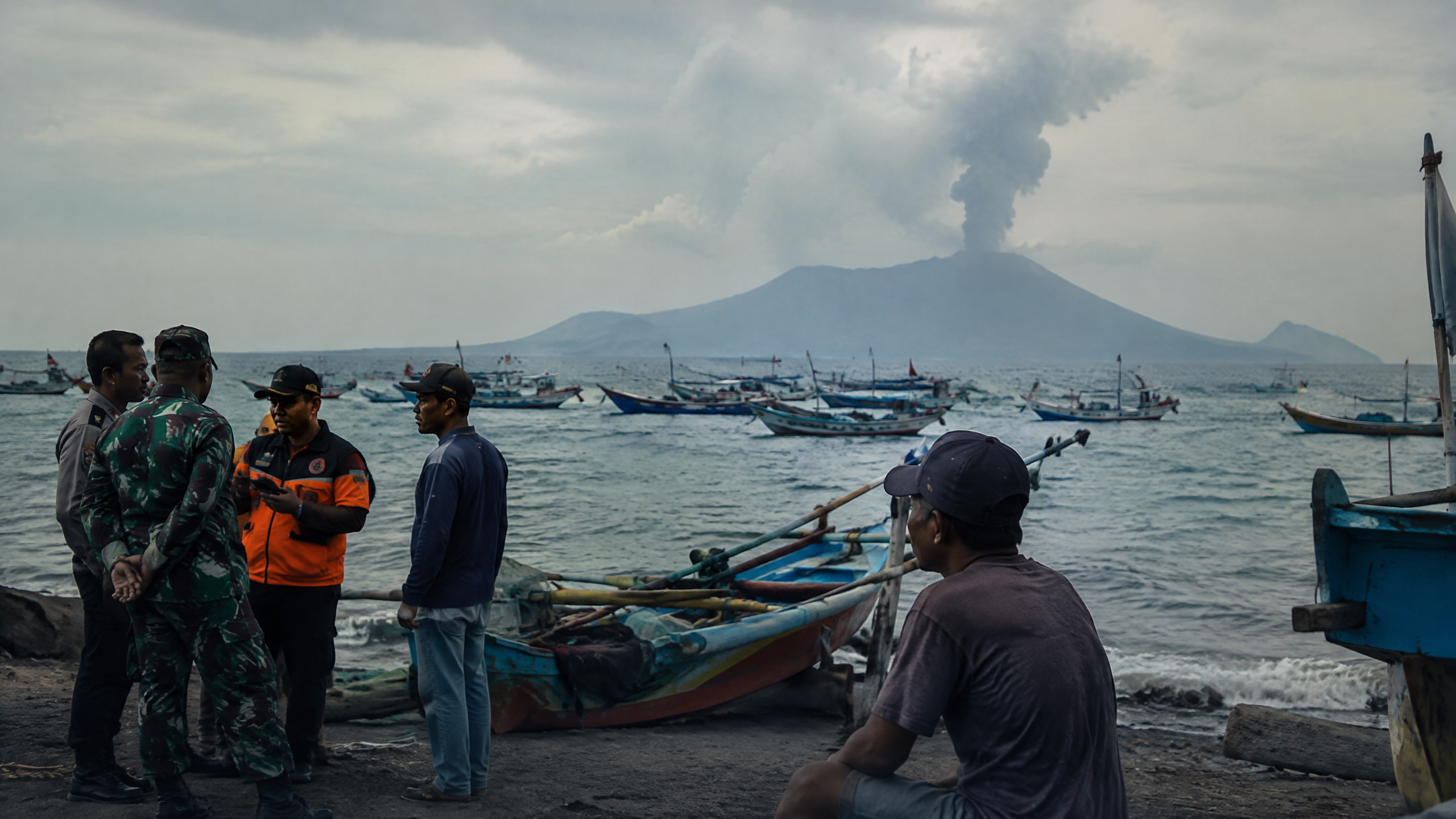
As of 14 October 2026, Banten’s public-information strategy for disasters is built around two tracks: preparedness and rapid access to authoritative information. The province is using its 13–15 October Disaster Risk Reduction Month programme to reinforce readiness, while its PPID portal, official website and social-media channels provide routes for public information; BMKG supplies the weather warnings that should guide operational decisions.
The available official record does not verify a new October 2026 disaster in Banten or identify one specific viral claim being handled by the provincial government this week. That limit matters: a responsible account can describe the system and the verified weather context, but should not turn an unverified post into an event.
What is Banten’s October 2026 public-information strategy?
The most visible October measure is Banten’s hosting of Disaster Risk Reduction Month from 13 to 15 October. The provincial government lists exhibitions, sharing sessions, a technology-failure seminar, a forum for disaster-management chiefs, a fun walk, tree planting and a cultural visit across locations in Serang and Cilegon. The programme is presented as a way to strengthen preparedness, public awareness, mitigation capacity and cooperation among central and local governments, disaster agencies, businesses, communities and residents.
This is more than an event calendar, but it is not proof of a new emergency. It shows the government’s communication emphasis: explain risk before an incident, bring agencies and residents into the same forum, and connect public education with practical preparedness.
The policy framework predates October. A Banten government explainer says the province has a Regional Disaster Risk Reduction Action Plan for 2023–2027, governed by Governor Regulation No. 8 of 2024 on the 2023–2027 Disaster Management Plan. That framework is the stated basis for preparedness; the sources reviewed here do not establish how every action was funded, measured or implemented in October 2026.
How can residents verify an official disaster message?
Banten’s information-announcement standard says public notices should use clear and correct Indonesian, be easy to understand and consider the language used by local residents. It lists notice boards, the official PPID website and the provincial government’s social-media accounts as dissemination channels.
The e-PPID portal adds an accountability route. It allows people to request information, file an objection and check an application’s status. The portal describes a process that includes registration and completeness checks, coordination with implementing PPID officers and an answer within a maximum of 10 working days, with a possible written extension of one additional seven-working-day period.
For a fast-moving emergency, that formal process is not a substitute for an immediate warning. Residents should first compare a circulating message with the latest BMKG warning, a provincial or local BPBD notice, and official government channels. The PPID process is best understood as a route for records, explanations and accountability after or alongside the urgent alert.
What does BMKG say about Banten’s weather risk?
BMKG’s 12 October outlook for 13–19 October said dry conditions still dominated much of Indonesia, but local heavy rain remained possible. For 13–15 October, Banten was among the areas where increased moderate rain should be watched. For 16–19 October, Banten was listed in the potential strong-wind category. BMKG also warned that locally occurring rain, lightning and strong winds can still produce inundation, falling material or lightning hazards even when a wider period is relatively dry.
That outlook is not the same as a confirmed disaster. At the time of retrieval, BMKG’s live Banten early-warning page stated that there was no active weather warning in the province. The difference illustrates why a post must carry its timestamp and why residents should check the live warning page rather than rely on an old screenshot.
How does the strategy handle viral claims?
The practical test is provenance. A dramatic video or message should be checked against the agencies that can verify it: BMKG for earthquakes and weather, BPBD for local impacts, Basarnas for search-and-rescue operations, and the provincial or district government for official response information. A post that has no date, location, agency confirmation or original source is not evidence of a current Banten disaster.
The Ministry of Communication and Digital’s hoax archive contains a Banten-specific entry titled “Provinsi Banten Hancur Lebur Sekampung Ambrol Diterjang Gempa.” Its indexed summary labels the claim false and refers to an earlier earthquake report. However, the page’s full text and publication date were not accessible in the retrieval used for this article. It therefore cannot be presented as proof of a new October 2026 incident.
The provincial government also publishes emergency contacts, including 112 for emergencies, BPBD Banten at 0254-7822841 and Basarnas at 115. Residents should use such numbers for real emergencies, not as a way to amplify or test a viral message.
What do we know, and what remains unclear?
What we know:
- Banten is hosting Disaster Risk Reduction Month from 13 to 15 October 2026, with public events in Serang and Cilegon.
- The province identifies a 2023–2027 disaster-management plan and a 2023–2027 risk-reduction action plan as its policy framework.
- Official public-information channels include the PPID portal, the provincial website and listed social-media accounts.
- BMKG’s dated outlook identified potential rain and wind risks affecting Banten, while its live page, when checked, showed no active Banten weather warning.
- Verified emergency contacts are published by a Banten government office.
What remains unclear: the reviewed sources do not confirm a particular October disaster, give a province-wide count of October impacts, or show a documented provincial response to one named viral post. They also do not establish whether every district is publishing synchronized incident updates. Until those records appear, the safest public-information strategy is to follow the latest timestamped agency notice, preserve the original post for checking, and avoid forwarding claims that officials have not confirmed.
Definitions: PPID is the public-information and documentation officer system that manages requests and disclosures. Disaster Risk Reduction refers to measures that lower exposure and vulnerability before, during and after hazards; it is not itself a declaration that a disaster is occurring.
Sources
- https://bantenprov.go.id/berita/provinsi-banten-jadi-tuan-rumah-bulan-pengurangan-risiko-bencana-2026
- https://bantenprov.go.id/video/banten-siapkan-rencana-penanggulangan-bencana-sampai-2027-fokus-banten
- https://bantenprov.go.id/standar-pengumuman-informasi
- https://ppid.bantenprov.go.id/
- https://www.bmkg.go.id/cuaca/potensi-hujan-sepekan/prakiraan-cuaca-indonesia-sepekan-periode-13-19-oktober-2026-kekeringan-belum-berakhir-namun-potensi-hujan-lebat-masih-ada-di-sejumlah-wilayah
- https://www.bmkg.go.id/cuaca/peringatan-dini-cuaca/36
- https://biropemotda.bantenprov.go.id/berita/daftar-nomor-telepon-darurat-damkar-dan-bpbd-di-banten-siaga-24-jam-tangani-kondisi-kebencanaan
- https://www.komdigi.go.id/berita/berita-hoaks/detail/hoaks-provinsi-banten-hancur-lebur-sekampung-ambrol-diterjang-gempa