Short answer: Before year-end, citizens should ask for a line-by-line account of Banten’s flood-control and coastal-protection works, BPBD preparedness and response spending, disaster-risk-reduction activities, and every related procurement contract. The priority is not simply how much was budgeted, but whether the work has a named location, measurable output, contract trail, payment evidence and a maintenance plan.
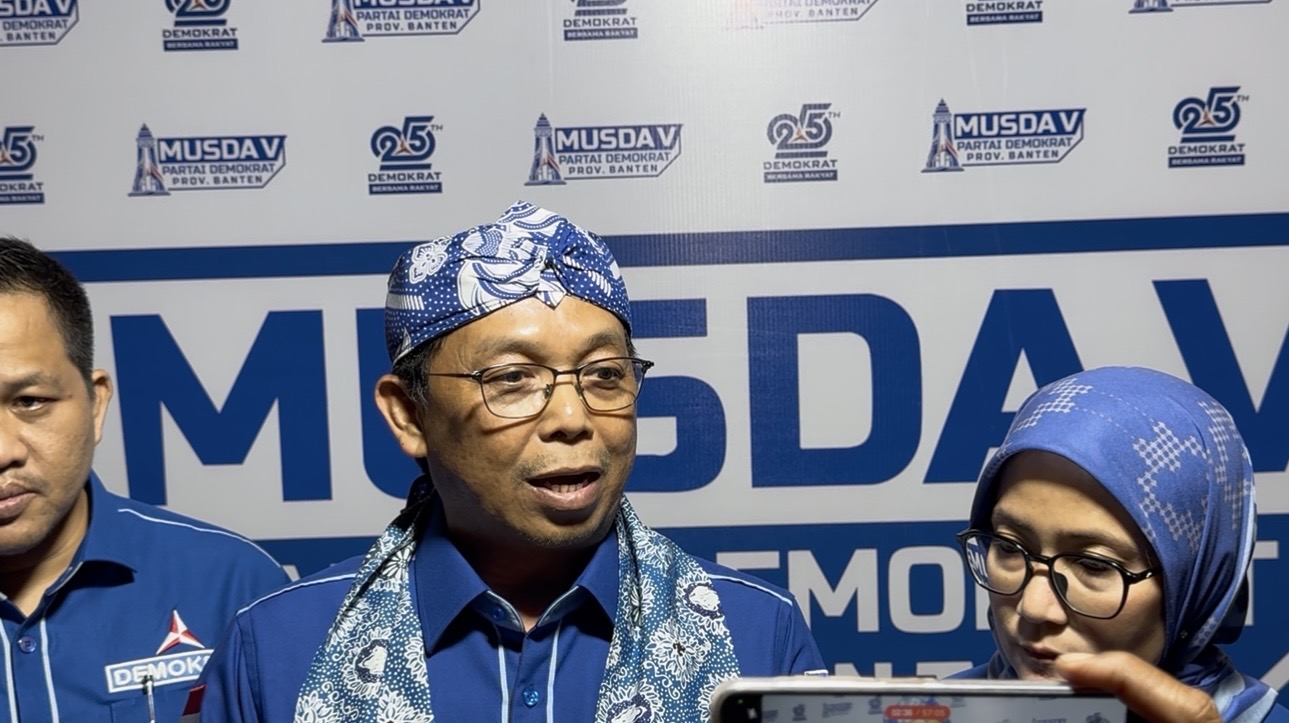
That scrutiny matters after the Banten DPRD approved the revised 2026 provincial budget on 29 September. The legislature reported a balanced structure of more than Rp9.76 trillion, with revenue of more than Rp9.72 trillion and a surplus of more than Rp93.79 billion. The revised regulation was still to be submitted to the Home Affairs Ministry for evaluation, so the public should distinguish an approved political agreement from a fully final, executed spending record.
Which Banten resilience programs should citizens audit first?
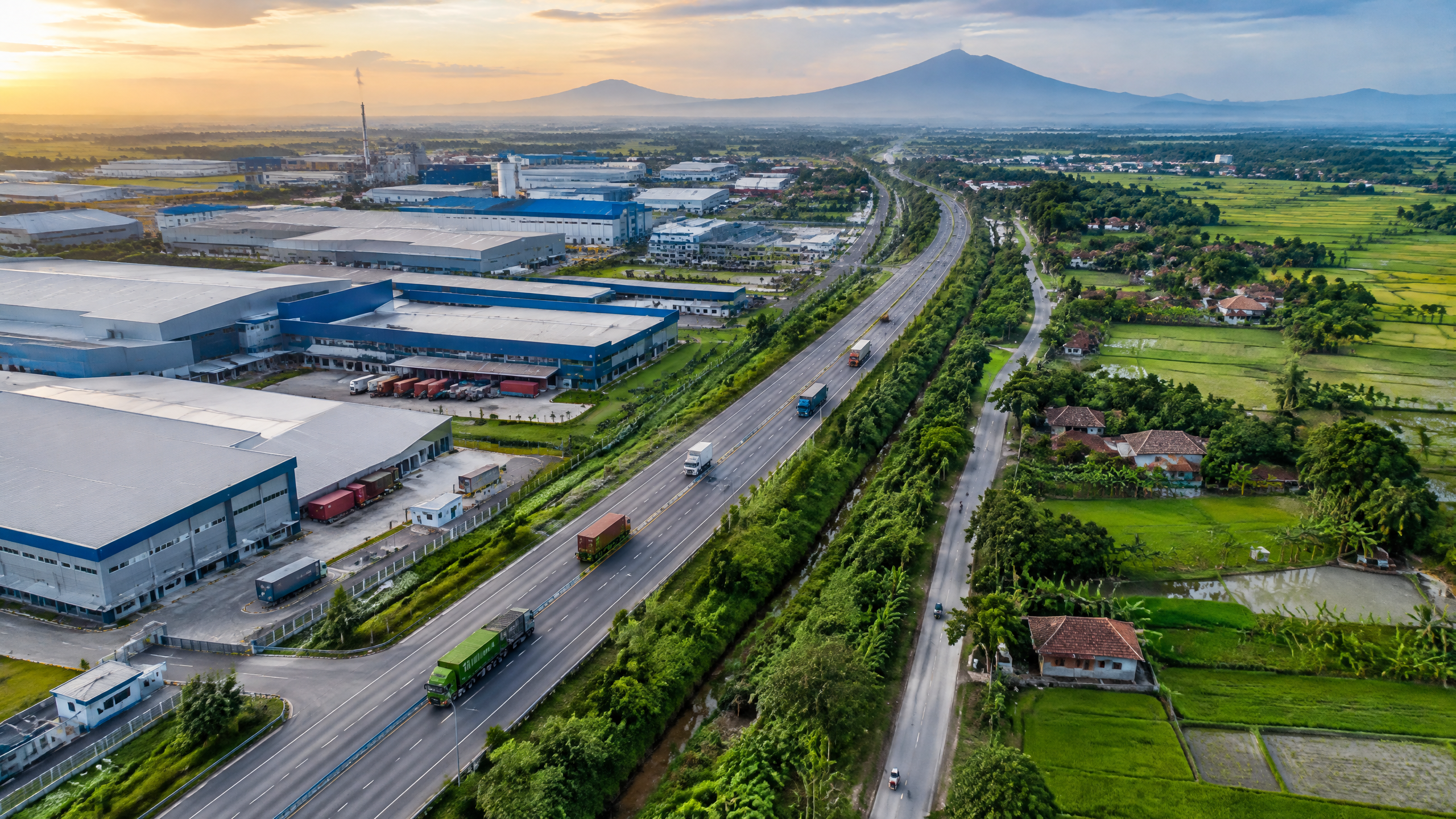
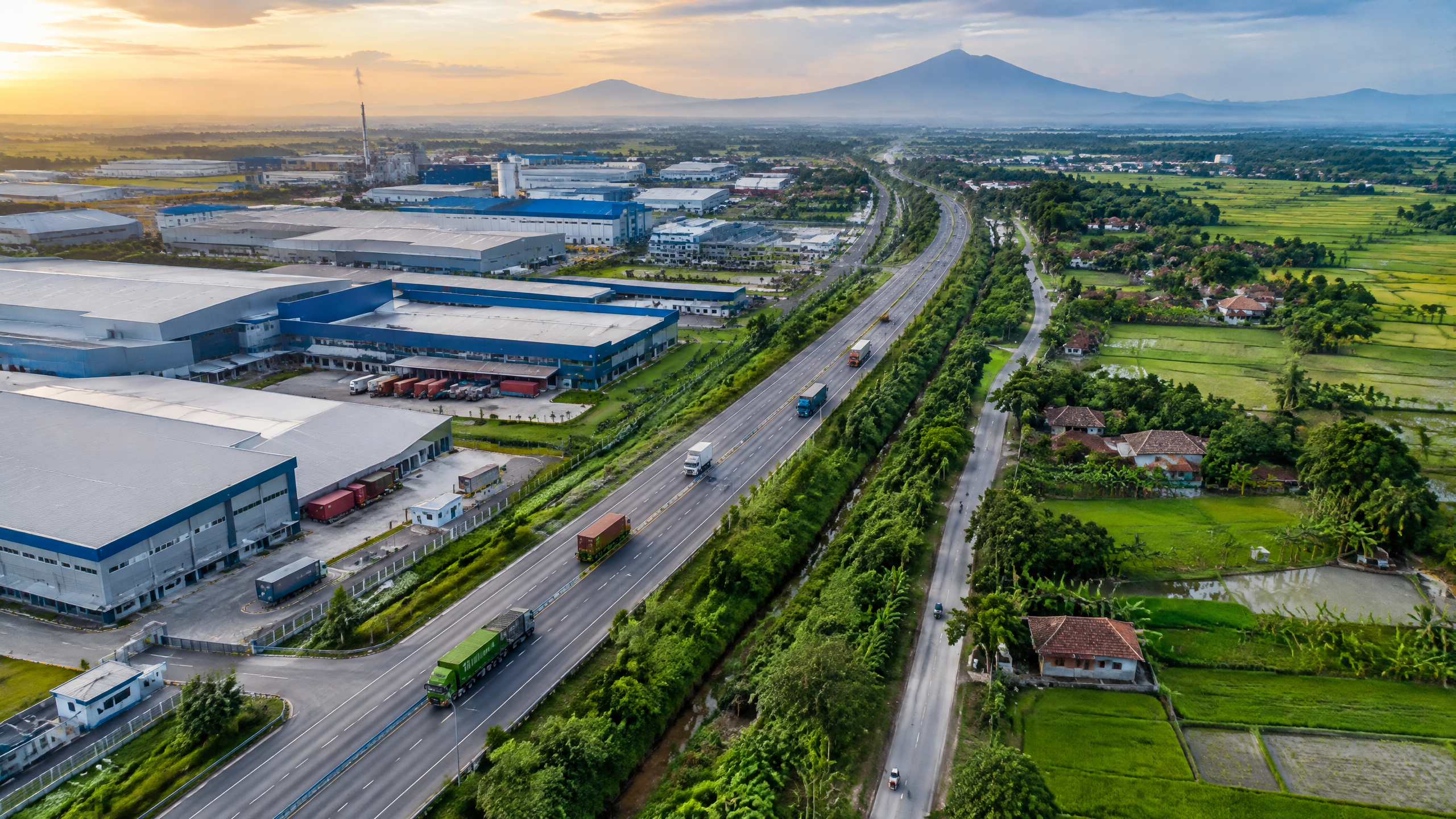
First, audit physical flood and coastal protection. The official 2026 APBD breakdown published by Serang Regency is a practical starting point because it identifies spending areas for flood, embankment and slope protection, urban drainage, and coastal protection. Citizens should compare the budget line with the tender package, contractor, contract value, work location, completion target, change orders, inspection report and payment status. A completed embankment is not the same as a functioning one: residents should be able to check whether it is connected to drainage, protects the promised households and is being maintained.
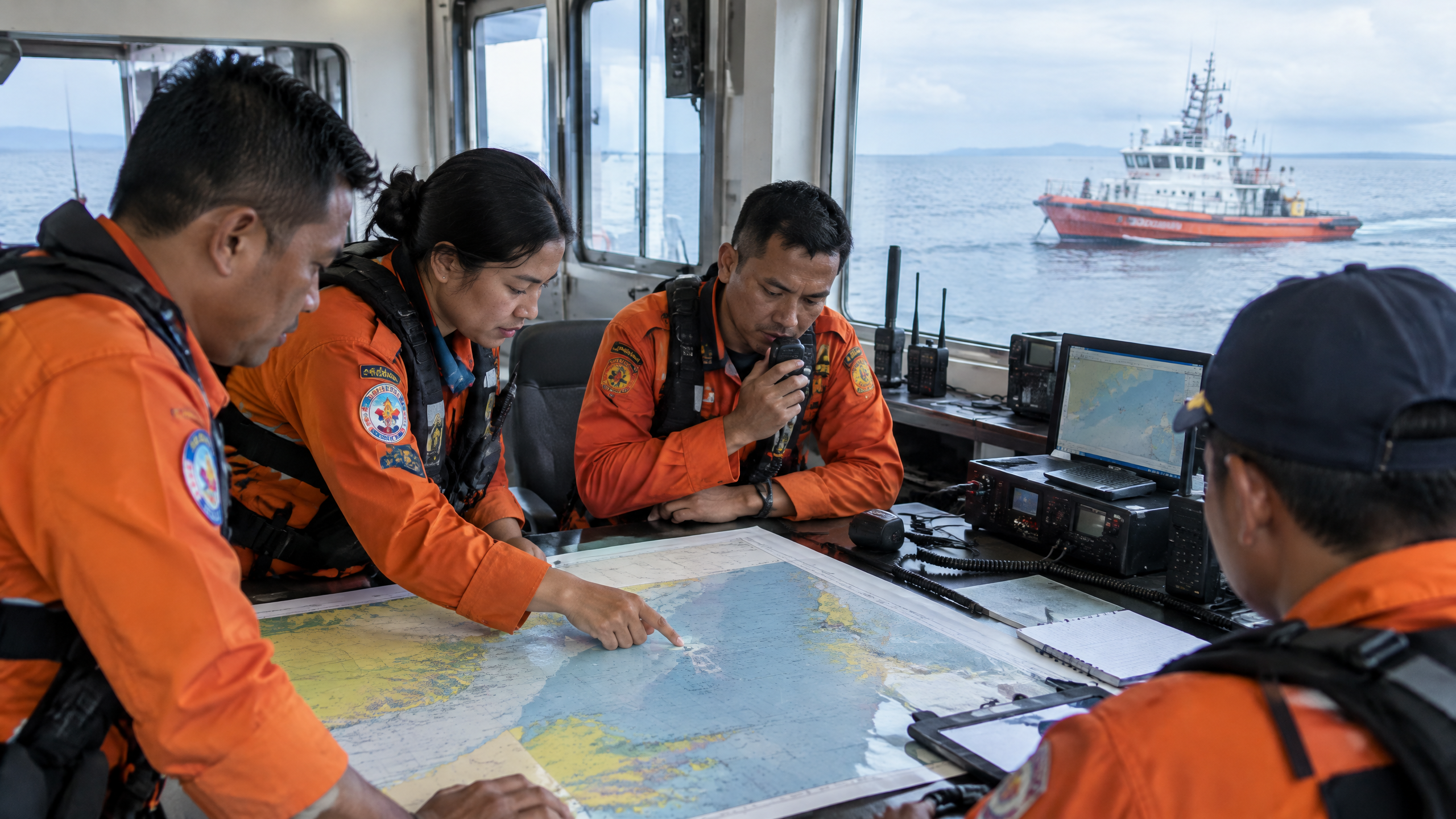
Second, audit BPBD readiness. Ask for the 2026 Dokumen Pelaksanaan Anggaran (DPA), the operational budget that translates the APBD into agency activities. For BPBD and district disaster agencies, that should include equipment, warehouses, warning systems, drills, communications, evacuation support and emergency logistics. The audit question is whether equipment exists, is serviceable and reaches high-risk communities, not merely whether a training or purchase was listed.
Third, audit the province’s disaster-risk-reduction plan. The Banten provincial government says its Regional Action Plan for Disaster Risk Reduction covers 2023–2027 and is governed by Governor Regulation No. 8 of 2024 on the 2023–2027 Disaster Management Plan. Citizens can therefore ask each agency to map its 2026 activity to a stated risk, target and indicator. A program without a location, beneficiary or outcome measure is difficult to audit.
Fourth, follow the procurement trail. The Banten LPSE procurement portal provides searchable fields for the package code and name, contracting agency, contract status, contract number, estimated price, and announcement schedule. Those fields let residents compare what was announced with what was signed and delivered. Where a resilience project is paid from a district budget, citizens should also search the relevant district procurement and public-information portals.
What verified facts frame the audit?
- The Banten DPRD reported the revised 2026 APBD approval on 29 September 2026 and said it would be sent to the Home Affairs Ministry for evaluation.
- The Banten Financial and Asset Management Agency reported that the original 2026 APBD had provincial revenue of Rp10.08 trillion, expenditure of Rp10.04 trillion and 1,413 DPA documents. It also said the original APBD had received DPRD approval and Home Affairs Ministry evaluation.
- The Asian Development Bank says the Flood Management in Selected River Basins project covered the Cidanau–Ciujung–Cidurian basins in Banten and closed in September 2024. It reports 684 eligible affected households participated in livelihood-restoration programs at project closing. In 2026, the audit priority is therefore to verify completed assets, safeguards and maintenance rather than present the project as a new allocation.
- The BMKG continues to publish public weather, climate and earthquake information. Citizens can use those warnings to test whether local preparedness spending matches the hazards agencies say they monitor.
- BPS Banten’s online table is labeled “Number of Victims Due to Natural Disaster” for 2025, but the accessible page did not expose the underlying regency-by-regency figures. This article therefore makes no unsupported claim about victim totals.
What do the key budget terms mean?
APBD is the annual regional budget approved by the local government and DPRD. DPA is the implementation document that assigns approved money to a specific agency and activity. RAD PRB means the Regional Action Plan for Disaster Risk Reduction. At national level, the Finance Ministry describes the Disaster Pooling Fund as a disaster-risk financing instrument that can receive APBN, grants, insurance and APBD contributions. That national framework does not, by itself, prove that a particular Banten project received such funding.
What do we know, and what remains unclear?
What we know: Banten has a current 2023–2027 disaster-management framework, a 2026 APBD implementation structure, a revised budget approved by the DPRD, public procurement channels and documented flood-management experience in the Ciujung basin. These provide a workable paper trail for year-end oversight.
What remains unclear as of 14 October 2026: the public sources reviewed do not provide a consolidated provincial dashboard showing every 2026 resilience allocation, physical progress, payment, independent inspection and outcome. The revised APBD’s final evaluation status, agency-level realization rates and a complete list of resilience packages should therefore be requested directly from the Pemprov, BPBD, district governments, DPRD and PPID. Citizens should also ask for the latest disaster-agency incident logs; for example, the Lebak BPBD data bank publicly lists some 2026 hazard updates but is not a province-wide spending report.
The most useful year-end audit is a simple reconciliation: budget line, contract, location, output, payment and public benefit. If one link is missing, officials should explain why before the account is treated as complete.
Sources
- https://dprd-bantenprov.go.id/news/dprd-banten-sahkan-perubahan-apbd-provinsi-banten-ta-2026
- https://bpkad.bantenprov.go.id/berita/gubernur-andra-soni-instruksikan-opd-percepat-program-prioritas
- https://bantenprov.go.id/video/banten-siapkan-rencana-penanggulangan-bencana-sampai-2027-fokus-banten
- https://serangkab.go.id/storage/document/perbup-penjabaran-apbd-tahun-2026_1768385677.pdf
- https://spse.inaproc.id/bantenprov/lelang
- https://www.adb.org/news/videos/adb-helps-restore-livelihoods-flood-vulnerable-communities-banten
- https://www.bmkg.go.id/
- https://banten.bps.go.id/en/statistics-table/3/T0VGNVR6UkVaakVyUmxWTU1YTlhSQzkzYW1vclFUMDkjMw==/number-of-victims-due-to-natural-disaster-by-regency-municipality-and-type-of-natural-disaster-in-banten-province–person—2023.html
- https://fiskal.kemenkeu.go.id/parb/en/2026/09/21/disaster-pooling-fund-for-fiscal-resilience/
- https://bpbd.lebakkab.go.id/bankdata