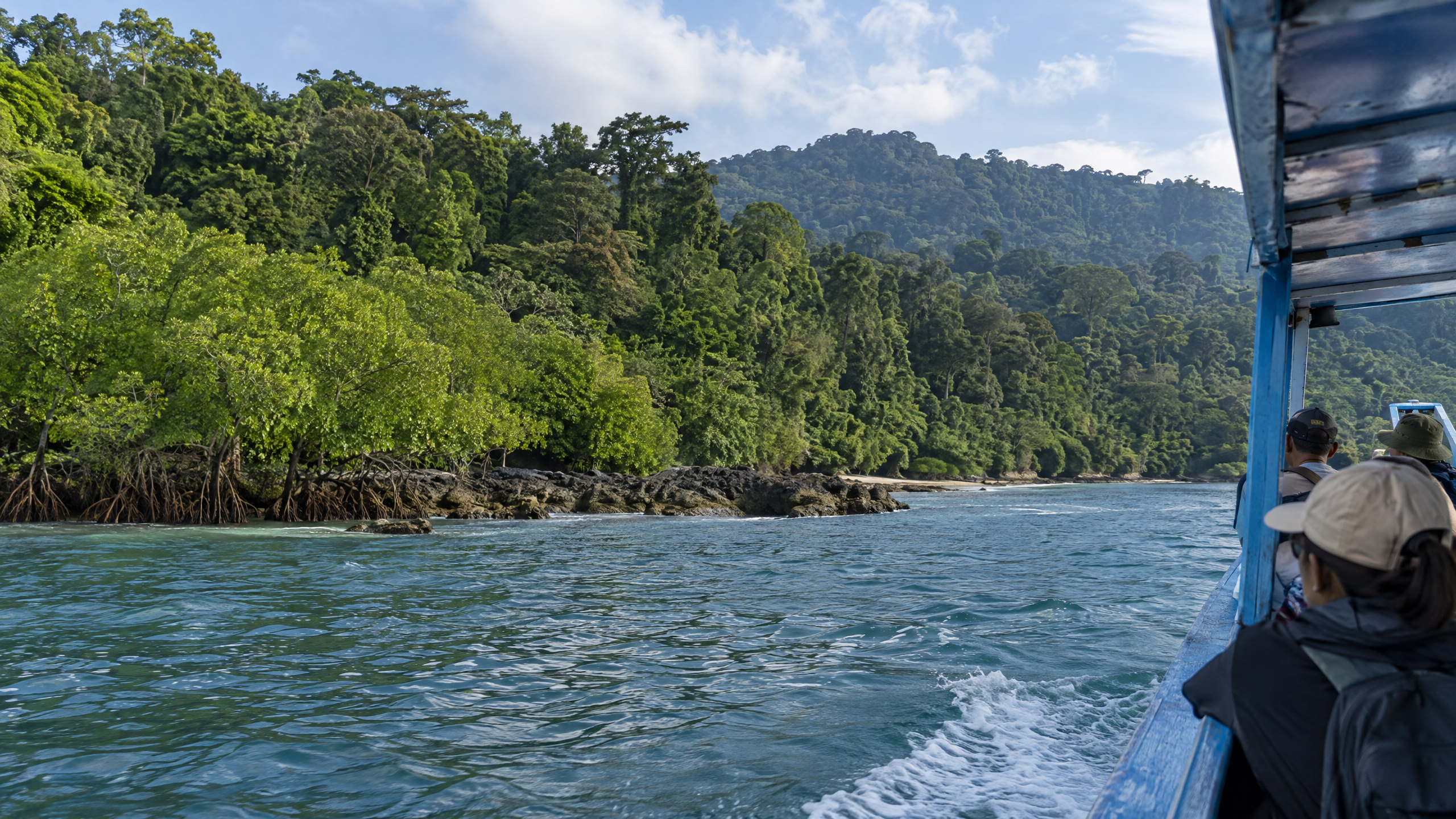
Bottom line: Travellers planning a late-2026 visit to Ujung Kulon National Park should start with the official reservation route, confirm the latest entry procedure with the park, and check BMKG marine warnings close to departure. As of 14 October 2026, the most specific reservation guidance that can be verified is a 2025 Banten government notice, while the latest marine figures available are short-range readings rather than a forecast for every trip later this year. The park remains a critical refuge for the Javan rhino, so responsible travel must support protection, not wildlife pursuit.
This is a planning guide, not a confirmation of ticket availability, boat schedules or open routes. Conditions and rules can change, and visitors should recheck the official park channels before paying or travelling.
What is the short answer for late-2026 visitors?
Reserve before travelling, but do not assume that a booking alone guarantees a boat departure. The latest detailed public procedure located for this article says Ujung Kulon National Park introduced non-cash entrance payments on 30 January 2025. The Banten Provincial Government reported that reservations could be made through booking.tnujungkulon.org, with QRIS payments available through the park’s official application and at designated counters.
The same notice identifies four official payment or service points: the Legon Pakis–Ujungjaya gate, SPTN 1 Tamanjaya, SPTN 3 Sumur and the Ujung Kulon National Park office in Labuan. It also says visits to Pulau Peucang and Sanghyang Sirah require the Bintang Kulon application. Those details are useful starting points, but the notice is dated February 2025. It does not verify late-2026 prices, quotas, operating hours, vessel arrangements or whether every route is currently open.
How should visitors read the sea-condition information?
Sea conditions can change faster than an itinerary. On its South Banten waters page, BMKG showed observations and short-range updates for 12–13 October 2026 with southeast-to-east winds around 16–18 knots and gusts reaching roughly 24–26 knots. The BMKG listing also flagged potential wave heights reaching 3.7 metres in the area. That information is relevant to a crossing, but it is not a promise that conditions will be the same in November or December.
Before leaving, check the BMKG maritime page for the actual waters and time of the crossing, then confirm the decision with the boat operator and local authorities. BMKG’s Merak station advises travellers to monitor early wave warnings, follow port and vessel-operator instructions, and avoid travel when a high-wave warning is in force. A forecast should therefore be treated as a go-or-no-go safety input, not as background weather information.
What does a visit mean for Javan rhino protection?
The conservation stakes are unusually high. In a report published on 4 February 2026, ANTARA said the Ministry of Forestry had reported camera-trap footage of a female Javan rhino with a calf estimated to be less than five months old. The footage was recorded on 29 January 2026 and was described as the first recording of a Javan rhino calf in Ujung Kulon that year. The ministry said the park would continue intensive monitoring through patrols, technology-based surveillance, habitat management and cooperation with conservation partners, law enforcement, local government and communities.
The report does not provide a visitor viewing site, public rhino-watching schedule or permission to approach the animals. Travellers should not plan around a sighting. A conservation-minded visit means following park instructions, staying out of restricted areas, keeping wildlife encounters non-invasive, carrying rubbish out and avoiding behaviour that could stress animals or damage habitat. These are practical responsibilities; they do not replace any rule issued by the park.
A June 2026 Banten government report promoted Pulau Handeuleum, Pulau Panaitan, Pulau Peucang and Karang Copong as tourism destinations in the wider park landscape. It described mangrove tracking, wildlife observation, snorkelling and coastal scenery, while also stressing that visitors must help prevent pollution. The activities named in that report should not be read as proof that every site, service or excursion will operate on a particular late-2026 date.
What do “non-cash” and “Bintang Kulon” mean?
In the verified 2025 guidance, “non-cash” means paying digitally, including by scanning a QRIS code with supported wallets or using a debit card. “Bintang Kulon” is the application the same guidance says is required for visits to Pulau Peucang and Sanghyang Sirah. The public notice does not establish that the app covers every destination, nor does it publish a late-2026 reservation calendar in the material reviewed here.
Which facts are verified?
- Ujung Kulon National Park’s non-cash payment policy was reported as effective from 30 January 2025.
- The Banten government notice names an online booking portal and four official payment or service locations.
- The notice says Pulau Peucang and Sanghyang Sirah require the Bintang Kulon application.
- BMKG’s South Banten maritime page showed strong winds, gusts and potential high waves in its 12–13 October 2026 updates.
- ANTARA reported a 2026 camera-trap record of a female Javan rhino and a very young calf, followed by continued monitoring and protection work.
What do we know, and what remains unclear?
What we know: An official reservation and digital-payment framework was publicly described; BMKG provides the authoritative short-range marine information to check before departure; and the Ministry of Forestry’s 2026 report confirms active monitoring of Javan rhinos and a new calf record.
What remains unclear: The sources reviewed do not verify late-2026 ticket prices, remaining quota, confirmed boat timetables, weather conditions for a future travel date, temporary closures, or a public rhino-viewing programme. Until those points are confirmed directly by the park and relevant safety authorities, the responsible plan is flexible: reserve through the official route, keep the itinerary changeable, cancel or postpone for unsafe seas, and leave the rhinos undisturbed.
Sources
- https://bantenprov.go.id/berita/berlakukan-tarif-non-tunai-ini-prosedur-terbaru-berwisata-ke-taman-nasional-ujung-kulon-banten-2025
- https://maritim.bmkg.go.id/cuaca/perairan/samudra-hindia-selatan-banten
- https://stamar-merak.bmkg.go.id/blog/tips-aman-menyeberang
- https://jogja.antaranews.com/berita/802614/kemenhut-melaporkan-penemuan-induk-dan-anak-badak-jawa-di-tn-ujung-kulon
- https://bantenprov.go.id/berita/jelajahi-keindahan-ujung-kulon-banten-tawarkan-pengalaman-wisata-alam-kelas-dunia